Make Every Square Inch Count
Small spaces aren’t a problem they’re a challenge. The kind that rewards smart design over extra square footage. One of the quickest wins? Multipurpose furniture. Think storage ottomans that hide clutter, fold out desks that vanish when the workday’s done, expandable dining tables that grow only when guests show up. These pieces earn their keep.
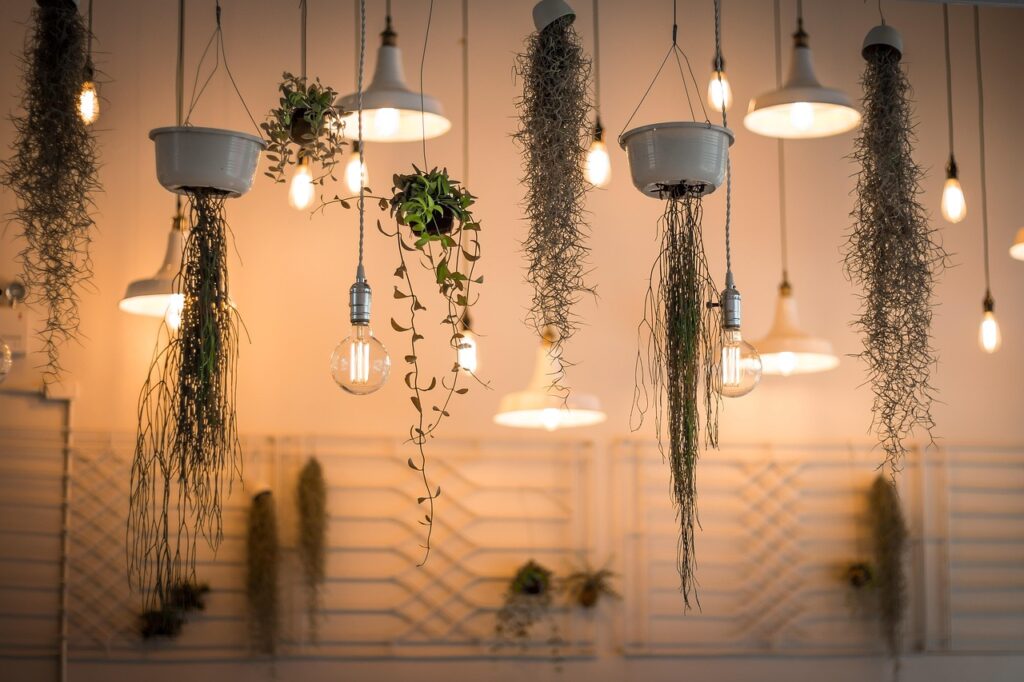
Look up. Vertical space is gold when floor space is limited. Tall shelving, wall mounted lights, even a hanging plant or two can pull the eye upward and free up room below. It’s functional and makes the space feel bigger than it is.
One more trick: furniture with legs. Sounds minor, but exposed legs keep your floors visible and that helps even a tiny room breathe. Heavy, boxy furniture blocks the view and shrinks the room. Go for clean lines and air underneath.
Simple swaps. Big payoff.
Use Mirrors Strategically
Mirrors aren’t just for checking your reflection they’re also one of the oldest tricks in the small space design playbook. When placed with intention, mirrors can dramatically amplify light and visually double your square footage.
Lighten and Brighten
Mirrors reflect both natural and artificial light, helping to brighten dim or narrow rooms.
Place mirrors directly across from windows to bounce daylight deeper into the room
Use smaller decorative mirrors to catch glints of light in shadowy corners
Try leaning a full length mirror against the wall for a casual, expansive effect
Create the Illusion of Space
Strategically placed mirrors can make a room feel much larger than it actually is:
Hang large mirrors opposite windows to mimic an extra view
Install mirrored panels across a narrow wall to visually widen the area
Use mirrors at the end of a hallway to create depth and a sense of openness
Incorporate Reflective Decor
Beyond framed wall mirrors, reflective surfaces add a surprising level of sophistication and function:
Opt for mirrored furniture pieces like side tables, dressers, or cabinets
Try a mirrored backsplash in a compact kitchen to bounce light and open up the space
Use mirrored closet doors as a practical, space maximizing solution
Used thoughtfully, mirrors can become both a statement and a strategy, making even the tiniest space feel open, stylish, and bright.
Go Vertical with Storage
When square footage is tight, unused vertical space is wasted potential. Start by installing floating shelves above doorways or tucked into underused corners. These high spots are ideal for storing books, baskets, or even decorative items that don’t need daily access.
Over the door organizers are another smart fix. Use them in closets for shoes or accessories, in bathrooms to stash toiletries, or in kitchens to keep spices and cleaning supplies within reach. They disappear when the door’s closed but offer a ton of function.
And don’t stop at eye level. Most people underuse their wall height. Tall bookcases or floor to ceiling cabinets draw the eye upward and make your space feel larger while giving you room for everything from linens to hobby gear. Go high or go home literally.
Choose a Cohesive Color Palette

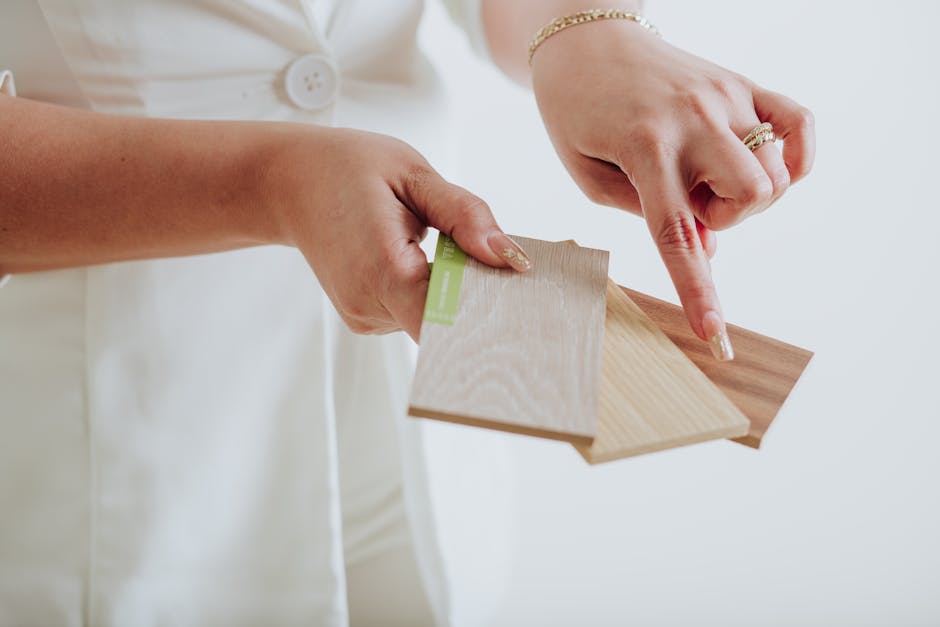
A small space doesn’t need to feel cramped, and color plays a big role in that. Start with light, neutral tones think soft whites, beiges, pale grays as your base. These shades reflect more light and make a room feel bigger, cleaner, and calmer.
Keep it simple by sticking to a tight color family. Tonal variations of a single hue work better than a mix of bolds. Too many contrasting colors can make a small area feel busy and boxed in. The goal is flow, not fragmentation.
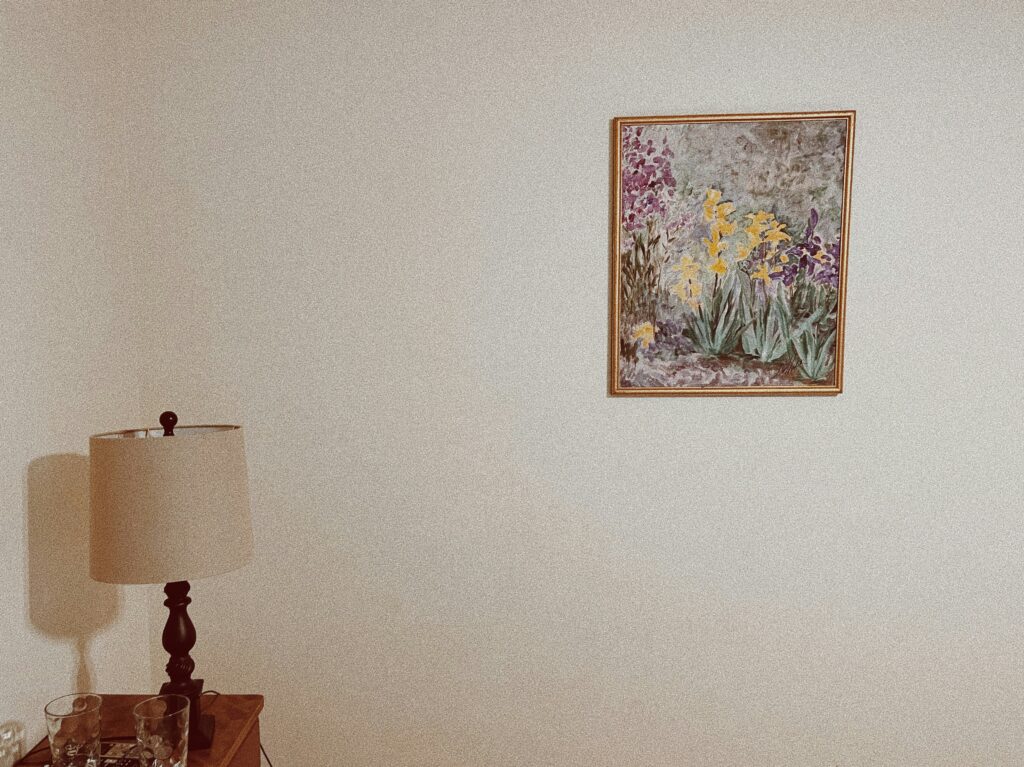
That said, don’t let things go flat. Introduce pops of personality with accents: a few throw pillows, a leafy plant, or a framed print in a richer tone. These controlled bursts of color add life without overwhelming the space.
Small rooms thrive on understatement. Cohesion isn’t a compromise it’s clarity.
Lighting Can Break or Make a Room
Smart lighting design does more than help you see it shapes how a small space feels. Start with the basics: ambient lighting sets the overall tone, task lighting handles the functional stuff (like reading or cooking), and accent lighting adds depth and visual interest. Layer these together and a cramped room suddenly feels curated, not chaotic.
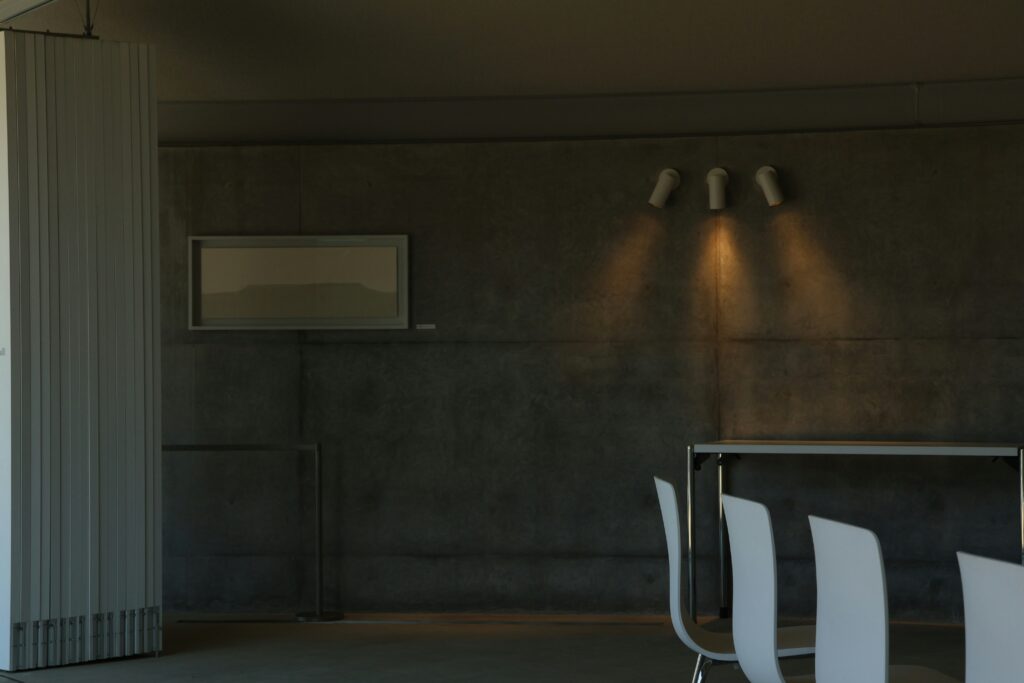
Ditch tower sized floor lamps they steal precious square footage. Wall sconces come in stylish, low profile designs and free up floor space. Pendant lights work great too, especially over dining tables or desks.
Tech also plays a quiet but powerful role. Use smart bulbs to shift brightness and warmth depending on the time of day or activity. That flexibility brings life to a small space without the clutter.
Explore lighting tips for small spaces →
Keep It Edited Clutter Free Is Key
Small spaces don’t forgive clutter. If something comes in, something else should go. That’s the “one in, one out” rule, and it’s non negotiable if you want to avoid the slow creep of chaos. Before you buy a new vase, ask: what are you ready to donate, store, or toss?
Next, corral the essentials. Trays, baskets, and bins aren’t just decorative they’re functional boundaries. Use a tray to group mail and keys by the door. Keep toiletries in a caddy instead of across every inch of bathroom counter. It cuts visual noise, fast.
Most importantly, go for fewer, bolder choices. Instead of a dozen tiny knickknacks, anchor a coffee table with one sculptural item or a dramatic candle. Clear space draws the eye just as much as decor does maybe more. The goal is breathing room, not busy ness.
Use Rugs to Define & Expand Zones
In small spaces, rugs aren’t just decor they’re tools. One well placed rug can divide a space into clear zones: living, dining, working. It’s a simple way to create structure in an open layout without putting up walls or buying extra furniture.
Bigger is better here. A larger rug can visually stretch the floor, making the room feel wider, airier. Skip the tiny doormat sized rugs that cut up the space and look like afterthoughts.
Stick to light or neutral tones. These colors blend instead of interrupting the flow, keeping the space feeling connected and open. Texture works better than loud patterns when you’re short on square footage.
These space savvy strategies are all about impact without the overwhelm and in 2026, style meets simplicity more than ever.