
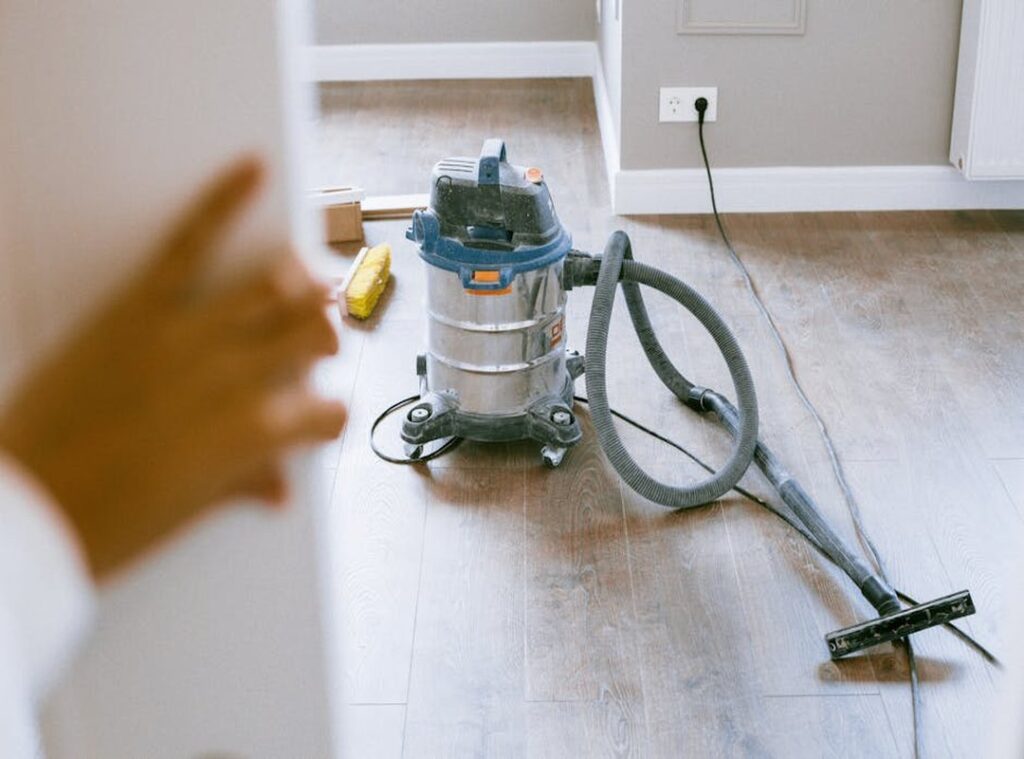
You just clicked the release button and a dust cloud exploded in your face.
Again.
I’ve watched people curse at their Dyson for ten minutes straight trying to empty it without turning their kitchen into a hazmat zone.
It’s not your fault. The bin design is dumb. And yes.
It gets worse if you own a V8, V11, or that weird cordless stick model with the sideways latch.
I’ve emptied over 200 Dysons. Seen every model. Every failed attempt.
Every sneeze-fit aftermath.
How to Empty a Dyson Vacuum Livpristclean isn’t about guessing.
It’s about one clean motion. No clouds. No coughing.
No sweeping up what you just vacuumed.
This guide works no matter which Dyson you own.
No fluff. No jargon. Just steps that stop the mess before it starts.
You’ll finish in under 30 seconds.
And your trash can will stay clean.
Prep Before the Plume: Why 10 Seconds Saves 10 Minutes
I used to just yank the bin and dump it. Then I inhaled dust for three days. My sinuses still haven’t forgiven me.
Livpristclean taught me better. Not by yelling. Just by working.
Turn off the vacuum. Unplug it. Or pull the battery if it’s cordless.
This isn’t optional. It’s how you avoid sparks, shocks, or accidentally launching debris at your face.
Do this outside if you can. If not, pick a spot over a deep trash can (one) with a liner. Not that flimsy grocery bag.
A real liner. You’ll thank yourself when the cloud hits.
Keep a microfiber cloth nearby. Not for show. For wiping the bin seal after emptying.
That little ring collects gunk fast. Wipe it now, and you won’t fight suction loss next week.
You’re not “prepping.” You’re avoiding chaos.
That’s the difference between a 30-second job and a 15-minute cleanup.
How to Empty a Dyson Vacuum Livpristclean? Start here. Not at the bin.
Skip this step and you’re just moving dust around. Not cleaning. Just relocating the problem.
How to Empty a Dyson Vacuum (Fast) and Actually Clean
I’ve emptied my V11 more times than I care to admit. And yes, I still forget to line up the bin inside the trash can instead of hovering over it.
That’s why debris ends up on the floor. Every. Single.
Time.
Most Dyson cordless vacuums (V8,) V10, V11, Cyclone, Outsize. Use the same point and shoot mechanism. It works.
If you do it right.
First: detach the long wand or tube from the main body. Don’t skip this. If it’s still attached, the bin won’t open cleanly.
(And yes, I’ve tried.)
Next: hold the vacuum so the bin is inside the trash can. Not above it. Seriously.
This is where 80% of the mess happens.
Now push the red bin release lever. Hard. One firm push.
Not a wiggle. Not a tap. A solid shove.
The door swings open. The shroud slides down. Debris drops straight in.
If it doesn’t all fall out? Tap the bin lightly on the inside rim of the can. Once.
That’s it.
Then close it. Push the bin base up until it clicks. Not “feels snug.” Not “seems tight.” Until you hear and feel that click.
Then lift it clear.
No guessing. No fumbling. Just click → lift → done.
You’ll know it’s secure because the vacuum won’t make that weird rattling noise when you turn it on.
How to Empty a Dyson Vacuum Livpristclean isn’t some secret ritual. It’s muscle memory. And you build that by doing it the same way every time.
Pro tip: Do this over the trash can before the bin hits 75% full. Less dust, less spillage, less regret.
I keep mine next to the kitchen can. Saves me from walking across the house just to empty it.
And if your red lever feels stiff? Wipe it with a dry cloth. Dust builds up there.
Dyson Dust Dumping: Uprights, Canisters, and Zero Guesswork

I’ve emptied more Dyson bins than I care to count. Ball. Cinetic.
Big uprights. Tiny canisters. They all do the same thing.
Just not in the same way.
Most people yank the bin sideways. Wrong move. You’ll crack the latch or spill dust everywhere.
First: lift the whole clear bin straight up and off the body. Not twist. Not wiggle.
Just up. It’s designed to come off cleanly if you pull it vertically.
Now look at the handle. There’s a button. Usually red.
Press it. That releases the bin from the wand or chassis. Don’t skip this step (some) models won’t let you detach the bin without it.
Carry it to the trash. Yes, carry it. Don’t try to dump it mid-air over your kitchen floor (I’ve seen it happen).
Then press the second red button. The one on the bottom of the bin. The flap drops.
Dust falls.
Gently shake the canister before you close it. Hair clings. Dust hides in corners.
A quick tap loosens what’s stuck.
How to Empty a Dyson Vacuum Livpristclean starts here. Not with fancy attachments or app updates. It starts with knowing which button does what and when.
The House preservation guide livpristclean covers deeper cleaning cycles, but this? This is your daily reset. Your five-second win.
No drama. No vacuuming the same spot twice because the bin was half-closed.
Reattach the bin straight down. Click. Done.
If your Dyson isn’t clicking back in snugly. Check the bin alignment. It’s almost always that.
You don’t need a manual. You need muscle memory. Build it now.
Debris Trapped? Here’s What Actually Works
I’ve yanked hair out of three Dysons this month.
None of them liked it.
That sticky mess inside the cyclone? It’s not just annoying. It kills suction.
Fast.
Don’t use your fingers. (I did once. Got a papercut on my knuckle.
From hair.)
Don’t use scissors. Or tweezers. Or that weird metal pick you found in your junk drawer.
Use chopsticks. Dry cloth only. Slide it in, twist gently, pull out the fluff in one piece.
The clear bin interior needs wiping too. Every time. Not just when it looks bad.
You can read more about this in Livpristclean Home Guidance by Livingpristine.
Because grime builds up where you can’t see it (especially) near the rubber seals.
If those seals get gunked up, the vacuum won’t seal right. You’ll lose suction without knowing why.
Wipe them with the same dry cloth you used in Section 1. No water. No cleaner.
Just dry friction.
While the bin’s off, check the washable filter. Is it gray instead of white? Does it feel stiff?
Then wash it. Rinse under cold water. Let it air-dry fully before reinserting.
Skipping this turns your vacuum into a dust recycler.
This is where most people fail the How to Empty a Dyson Vacuum Livpristclean process (not) at emptying, but at cleaning what’s around the bin.
You think you’re done when the bin’s empty.
You’re not.
I’ve watched people slam the bin back in after a half-clean and wonder why their Dyson sounds like a dying goose two weeks later.
It’s never just about emptying. It’s about resetting the whole airflow path.
For more details on timing and technique, this guide walks through the full routine.
No More Dyson Dust Clouds
I’ve done this a hundred times. You know that puff of dust when you yank the bin open. That gray cloud that hangs in the air.
Yeah. That’s avoidable.
How to Empty a Dyson Vacuum Livpristclean isn’t magic. It’s just doing it right. Once.
Prep the bin. Hit the release away from your face. Tap it outside.
Done.
Skip those steps? You get weak suction fast. And you’ll replace parts sooner than you should.
You want your Dyson to pull hard tomorrow. And next month. And next year.
So don’t wait for the suction to drop. Don’t wait for the bin to overflow.
Empty it after every major cleaning session.
Right now, that’s your only job.
It takes 20 seconds. Your floor stays clean. Your lungs stay clear.
Do it today.
Then do it again next time.
 Ask Stephen Wertzorens how they got into outdoor living solutions and you'll probably get a longer answer than you expected. The short version: Stephen started doing it, got genuinely hooked, and at some point realized they had accumulated enough hard-won knowledge that it would be a waste not to share it. So they started writing.
What makes Stephen worth reading is that they skips the obvious stuff. Nobody needs another surface-level take on Outdoor Living Solutions, Interior Decorating Tips, DIY Home Projects. What readers actually want is the nuance — the part that only becomes clear after you've made a few mistakes and figured out why. That's the territory Stephen operates in. The writing is direct, occasionally blunt, and always built around what's actually true rather than what sounds good in an article. They has little patience for filler, which means they's pieces tend to be denser with real information than the average post on the same subject.
Stephen doesn't write to impress anyone. They writes because they has things to say that they genuinely thinks people should hear. That motivation — basic as it sounds — produces something noticeably different from content written for clicks or word count. Readers pick up on it. The comments on Stephen's work tend to reflect that.
Ask Stephen Wertzorens how they got into outdoor living solutions and you'll probably get a longer answer than you expected. The short version: Stephen started doing it, got genuinely hooked, and at some point realized they had accumulated enough hard-won knowledge that it would be a waste not to share it. So they started writing.
What makes Stephen worth reading is that they skips the obvious stuff. Nobody needs another surface-level take on Outdoor Living Solutions, Interior Decorating Tips, DIY Home Projects. What readers actually want is the nuance — the part that only becomes clear after you've made a few mistakes and figured out why. That's the territory Stephen operates in. The writing is direct, occasionally blunt, and always built around what's actually true rather than what sounds good in an article. They has little patience for filler, which means they's pieces tend to be denser with real information than the average post on the same subject.
Stephen doesn't write to impress anyone. They writes because they has things to say that they genuinely thinks people should hear. That motivation — basic as it sounds — produces something noticeably different from content written for clicks or word count. Readers pick up on it. The comments on Stephen's work tend to reflect that.