
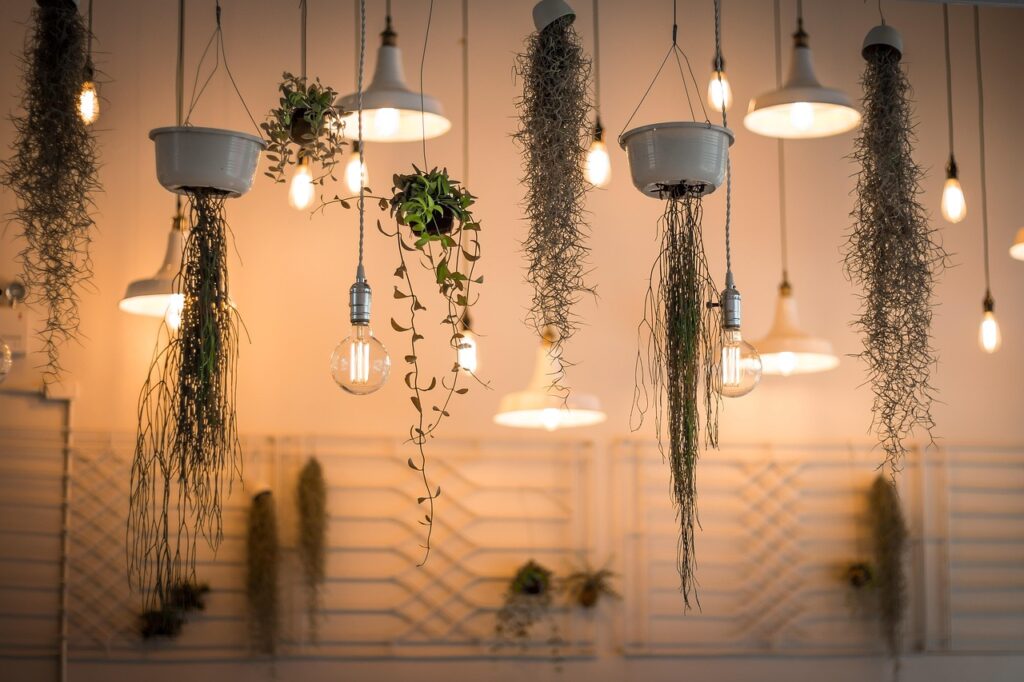
Understand the Lighting Layers
Good lighting isn’t one size fits all. It’s a mix a layering act that brings your space to life in ways a single ceiling fixture never could.
First, ambient lighting. This is your base layer. Think general illumination the overhead glow that fills the room. It sets the mood and makes the space usable at a glance. Don’t overthink it, but don’t settle for harsh or flat either. A smart ceiling fixture or dimmable recessed lights can do the heavy lifting.
Next, task lighting. This one’s about precision. Reading, chopping veggies, working on a laptop it all needs extra help. Desk lamps. Under cabinet lights. Pendant lighting over counters. This layer doesn’t just add light it adds utility.
Then comes accent lighting. This is where the room gets personality. It’s not essential, but it’s what makes your space memorable. LED strips behind shelves. Uplights for plants. Picture lights for art. These touches create contrast, draw the eye, and make your space feel considered and styled.
Why does all this matter in 2026? Two reasons: first, interiors are getting more multifunctional one room might need to flip from Zoom calls to movie nights. And second, lighting design is a big part of how people feel in a space. Layering light gives you control. It adds flexibility, polish, and just enough drama without trying too hard.
Choose the Right Temperature
Light color matters more than you might think it shapes how a room feels, what it’s suited for, and even how well you sleep. It all comes down to color temperature, measured in Kelvins (K). Here’s the lowdown:
Warm light (around 2700K): Think golden, sunset tones. Cozy and comforting. Perfect for bedrooms, dining areas, or any place where you want to slow down and relax.
Neutral light (around 3500K): A balanced white that doesn’t lean too yellow or blue. Ideal for kitchens and common spaces where you want focus without coldness.
Cool light (5000K and up): Crisp, clean, almost bluish. Great for task heavy areas like home offices, garages, or bathrooms the kind of places where clarity and alertness matter.
These temperatures don’t just influence vibe. Warm hues help your body wind down. Cooler ones mimic daylight, signaling your brain to stay alert. So if your lighting feels off, it probably is. Ask yourself: Is this room for resting or for getting things done?
The right color temp can change everything how you feel, how you sleep, and how your space works for you.
Use Natural Light to Your Advantage
If you’ve got daylight, use it. Proper window placement is the foundation think tall windows facing south (in the northern hemisphere) or north (in the southern) to capture the most consistent light. Corner windows or clerestory openings stretch that incoming light further into the room. But direction alone isn’t enough.
To take that light and push it deeper, bounce it. Mirrors are the obvious move, but don’t stop at wall mounted ones. Try mirrored panels, glossy surfaces like lacquered tables or polished concrete and even glass tiles. The goal is reflection, not absorption. Light hits, spreads, and works harder.
Then there’s control. Natural light shifts throughout the day and across seasons. Smart blinds and automated shading systems let you ride those shifts instead of fighting them. Set them to open when daylight peaks or lower automatically to reduce glare. Some can even adjust based on temperature or time of year. It’s comfort without fuss, and it keeps your space bright without the heat load.
The smartest light source is the sun you just have to know how to guide it.
Maximize Style While Brightening Effectively
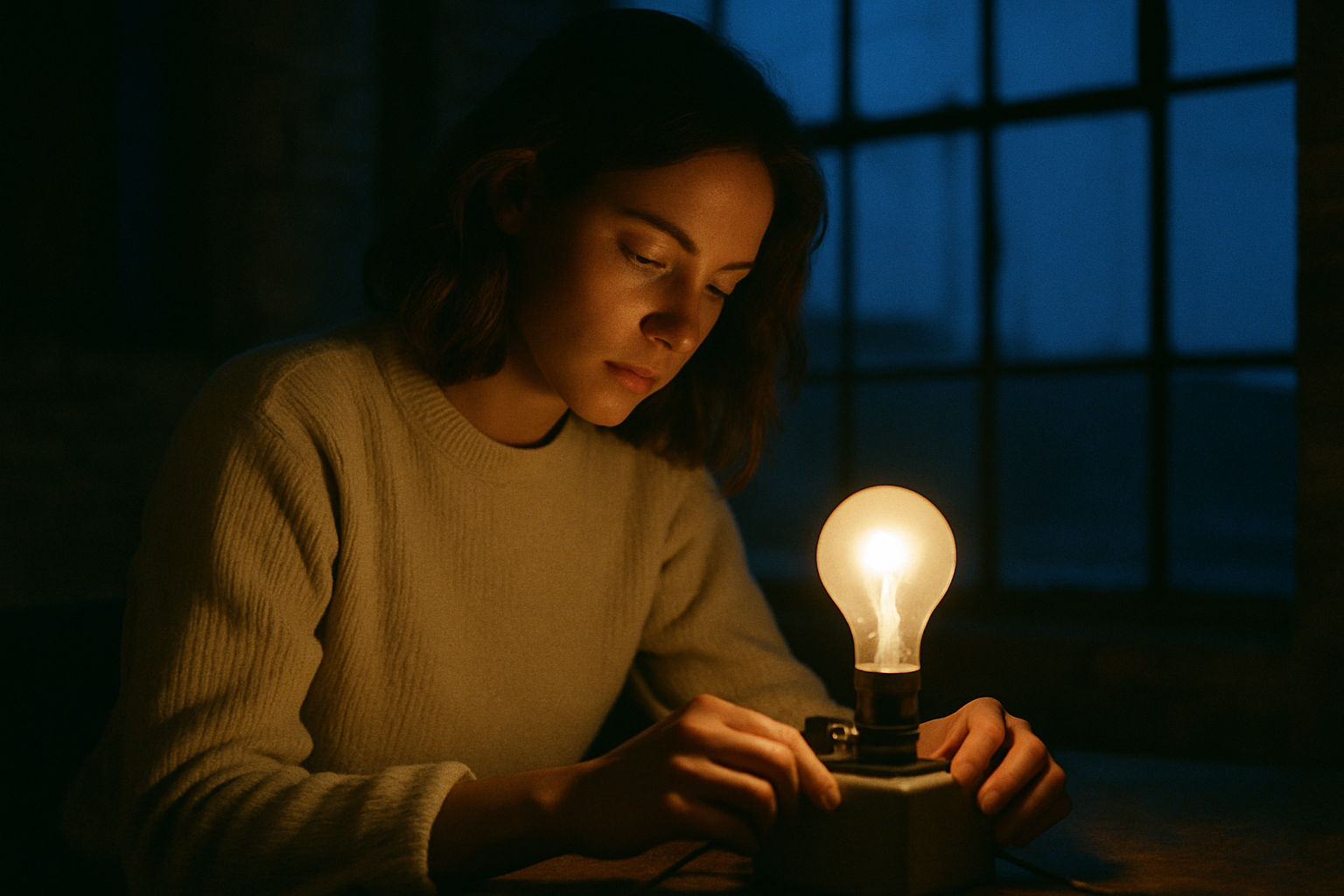
In 2026, lighting doubles as both function and art. Fixtures are going sculptural think asymmetrical shapes, fluid lines, and materials that feel handmade. Concrete, blown glass, raw brass, and woven bamboo are dominating the scene. This isn’t just about illumination; it’s visual storytelling bolted to the ceiling or standing in a corner.
To avoid a flat look, the best spaces mix it up. Floor lamps offer structure and can frame a room. Sconces provide directional drama, especially when layered near art or mirrors. Recessed lights fill in the gaps without drawing attention to themselves. Balance is everything.
Here’s a professional grade tip most people miss: lampshade opacity. It controls how light disperses and sets the whole mood. Opaque shades give off a focused, intimate glow perfect for chill zones. Translucent ones spread light wide, ideal for open spaces. Change the shade, change the vibe. It’s that simple.
Layer in Texture with Light
Flat lighting flattens everything. But when light plays across texture knits, weathered wood, matte stone you get something better: depth. It’s why a linen throw looks richer under side light, or why a concrete vase feels sculptural when a beam casts a line of shadow across it.
Light doesn’t just brighten a room. It sculpts it. Using directional light like spotlights, track heads, or even a smart floor lamp angled just right can turn simple surfaces into points of focus. Shadows aren’t mistakes here; they’re tools. They create contrast, drama, and a kind of quiet movement across your space.
This works best when you build intention into placement. Ask: where will light fall at night? Where will it graze a wall? Let your lighting pull texture forward not bury it. Layering light this way doesn’t demand bigger fixtures or higher wattage. Just smarter angles.
For more ideas on how to use materials and light to add richness to your home, check out Easy Ways to Add Texture and Depth to Your Home Decor.
Bright Ideas That Don’t Waste Energy
If you’re lighting a space in 2026, there’s no excuse for burning through your power bill. LED technology has hit its stride not just in performance, but in design. You’ll find sleek, affordable fixtures with color tuning, dimming, and enough style to replace most designer lamps. The key? Choosing bulbs and fixtures that deliver both efficiency and warmth. No more clinical overheads. No more sacrifices.
Smart controls take it further. Think motion sensors, scheduling, and voice command dimmers. You dial in the mood you want while using less power. Good for your wallet and your circadian rhythm.
One more detail that often gets missed: CRI, or Color Rendering Index. High CRI LEDs 90 and above reveal color as it truly looks, not washed out or oversaturated. Whether it’s your favorite painting, your dinner plate, or your skin tone, everything looks better under the right light. If you care about how your space feels, CRI should be on your checklist.
Light the Room You Actually Live In
Here’s the truth: lighting isn’t just about pretty fixtures or showroom perfect setups. It’s about how you actually move through a space. The areas where you sip your morning coffee or hop on a last minute Zoom call deserve more attention than the ones you stage once a year.
Start by lighting for what you really do. A remote workspace calls for focused task lighting think adjustable desk lamps or under shelf LEDs that reduce eye strain. Dining corners work best with dimmable overhead light and maybe a soft side lamp to boost warmth without glare. And for reading? Skip the overheads. Go with a soft, directional light that doesn’t blast your eyes.
Design around use, but don’t ditch style. That floor lamp can still look sleek. A pendant can do double duty as sculpture and light source. Function comes first, yes. But beauty? Still an essential part of feeling at home in your space.
 Tamarase Crisman has opinions about interior decorating tips. Informed ones, backed by real experience — but opinions nonetheless, and they doesn't try to disguise them as neutral observation. They thinks a lot of what gets written about Interior Decorating Tips, Sustainable Living Practices, DIY Home Projects is either too cautious to be useful or too confident to be credible, and they's work tends to sit deliberately in the space between those two failure modes.
Reading Tamarase's pieces, you get the sense of someone who has thought about this stuff seriously and arrived at actual conclusions — not just collected a range of perspectives and declined to pick one. That can be uncomfortable when they lands on something you disagree with. It's also why the writing is worth engaging with. Tamarase isn't interested in telling people what they want to hear. They is interested in telling them what they actually thinks, with enough reasoning behind it that you can push back if you want to. That kind of intellectual honesty is rarer than it should be.
What Tamarase is best at is the moment when a familiar topic reveals something unexpected — when the conventional wisdom turns out to be slightly off, or when a small shift in framing changes everything. They finds those moments consistently, which is why they's work tends to generate real discussion rather than just passive agreement.
Tamarase Crisman has opinions about interior decorating tips. Informed ones, backed by real experience — but opinions nonetheless, and they doesn't try to disguise them as neutral observation. They thinks a lot of what gets written about Interior Decorating Tips, Sustainable Living Practices, DIY Home Projects is either too cautious to be useful or too confident to be credible, and they's work tends to sit deliberately in the space between those two failure modes.
Reading Tamarase's pieces, you get the sense of someone who has thought about this stuff seriously and arrived at actual conclusions — not just collected a range of perspectives and declined to pick one. That can be uncomfortable when they lands on something you disagree with. It's also why the writing is worth engaging with. Tamarase isn't interested in telling people what they want to hear. They is interested in telling them what they actually thinks, with enough reasoning behind it that you can push back if you want to. That kind of intellectual honesty is rarer than it should be.
What Tamarase is best at is the moment when a familiar topic reveals something unexpected — when the conventional wisdom turns out to be slightly off, or when a small shift in framing changes everything. They finds those moments consistently, which is why they's work tends to generate real discussion rather than just passive agreement.