
Assess Before You Toss
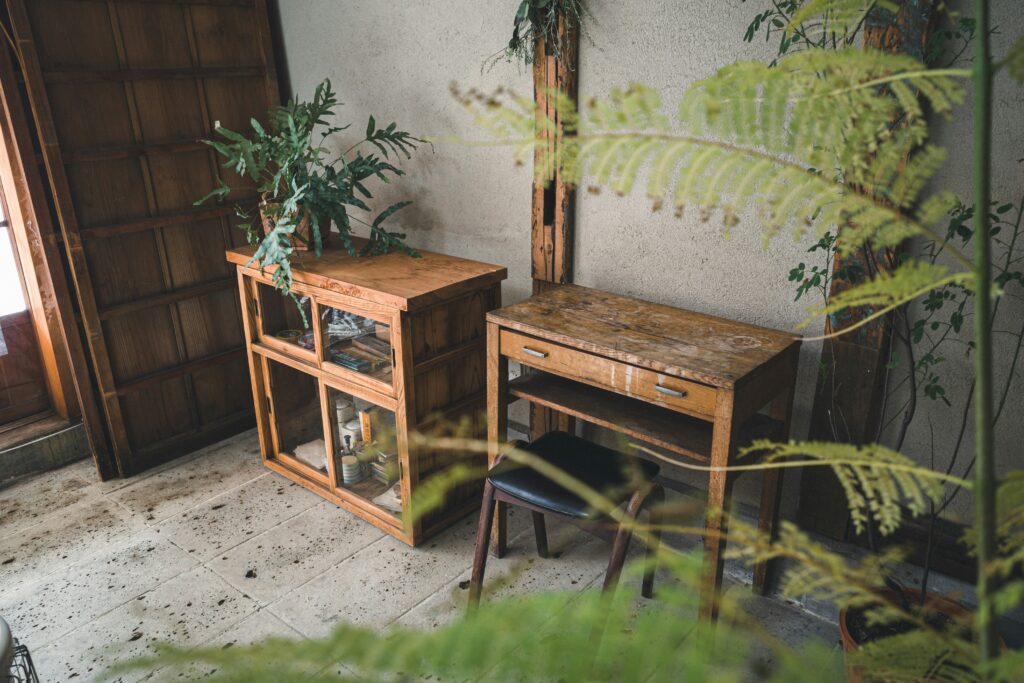
Old furniture doesn’t need to be perfect to be full of potential. Before you discard that cracked chair or uneven table, look past the surface. Scratches, chipped paint, wobbly legs most of that can be fixed with basic tools and a few hours of effort. What matters is the frame: is it solid wood, not particle board? Do the drawers have dovetail joints? Is the piece heavy in a way that says, ‘built to last’? Those are the signs you’re working with something worth keeping.
Vision goes a long way here. A dated sideboard can be turned into a modern media console. A scuffed desk becomes a clean, minimalist entry table with the right sanding and stain. With some creativity and elbow grease, these finds stop looking like junk and start becoming anchors in your space.
Bottom line: don’t get distracted by ugly. Structure beats shine, every time.
Smart Tools and Materials for Beginners
You don’t need a full workshop to start repurposing furniture just the basics that get the job done clean and safe. First off, get a handheld or orbital sander. Manual sanding is fine for tiny touchups, but power sanding saves time and saves your arms. Wood filler is next it’s your best friend for dents, dings, and random holes. Go for a quality, paintable option; cheap ones crack. When it comes to paint, know your types: chalk paint for matte, rustic finishes; enamel for durability (good for surfaces you’ll touch often); and acrylic latex for something in between.
For supplies, skip the big box if you’re on a budget. Habitat ReStores, online marketplaces, or even local contractor outlets often have surplus gear and leftover paints at a fraction of the retail price. Keep an eye out at garage sales or estate clean outs old tools and hardware can come with serious character.
Eco conscious choices are easier to find in 2026. Most major brands now offer low VOC or even zero VOC paints that cut down on fumes and indoor air pollutants. Upcycled hardware think reclaimed knobs, salvaged hinges, repurposed handles adds soul to any piece and keeps more in circulation instead of landfill. Sustainable repurposing isn’t just about the big reveal it starts with what you choose to put into it.
Five Repurpose Ideas That Work in Any Home
Give old furniture a second life with purpose and style. These tried and true transformations bring function, charm, and a modern twist to your space no advanced carpentry required.
Turn Dressers into Bathroom Vanities
Looking for a unique bathroom centerpiece? A sturdy vintage dresser can be transformed into a full fledged vanity with minimal modification.
Remove top drawers and cut into the rear to fit plumbing
Seal the entire piece to withstand humidity
Finish with a vessel sink and sleek hardware for a designer inspired look
Convert Dining Chairs into Plant Stands or Accent Seating
Outdated or mismatched chairs are easy to reinvent.
For plant stands: Remove the seat and fit a planter into the frame
As accent seating: Sand and repaint to match modern interiors
Add cushions or bold fabrics for an extra touch of character
Use Old Doors as Wall Art or Rustic Coffee Tables
Large, solid core doors have tons of potential beyond their hinges.
Hang vertically as statement wall art or horizontally above a sofa
Add legs or repurpose table bases to create industrial coffee tables
Sand, seal, or whitewash for a soft, modern farmhouse feel
Make Bedside Tables from Vintage Filing Cabinets
Filing cabinets are often overlooked, but they’re surprisingly versatile.
Strip paint and use metal primer to modernize
Swap out handles for brass or matte black hardware
Spray paint a sleek color and top with reclaimed wood for a high end look
Flip Bookshelves into Open Kitchen Storage
Turn a basic bookshelf into functional and visually appealing kitchen storage.
Paint or stain to complement cabinets and counters
Add hooks, baskets, or bins for versatility
Anchor to the wall safely, especially in high traffic zones
These ideas are accessible to beginners and flexible for any home’s style. Start simple, stay creative, and let your space reflect your personality.
Design Tips for a Modern Look
Updating old furniture doesn’t mean stripping it of its personality it’s about sharpening the contrast. In 2026, the big hitters in design are earth tones, clean lines, and a return to organic textures. Think olive greens and clay reds over slick gloss. Smooth finishes paired with natural fabrics. If your piece has good bones, you’re halfway there.
Start by keeping what works: exposed wood, patina, sturdy lines. Then layer in modern cues. Swapping ornate handles for matte black pulls or replacing turned legs with tapered metal ones goes a long way. Even just shifting to a monochrome palette can turn a tired hutch into a quiet showpiece.
Function is the final upgrade. Hide a wireless charger inside a drawer. Mount casters for movement. Add internal organizers or build in shelving where none existed before. These tweaks are small but pivotal they make old furniture feel current, not fussy.
The goal isn’t perfection. It’s relevance.
Take It Room by Room
When you repurpose, function matters just as much as form. Here’s how to give old furniture real purpose in the rooms you use the most.
Living Room: Storage ottomans and TV consoles are perfect beginner upgrades. An old trunk becomes an ottoman with a cushion on top and a secret stash inside. Turn a dated dresser or credenza into a TV console by cutting cord ports in the back and swapping clunky hardware for clean, modern pulls.
Kitchen: Think compact and mobile. A salvaged counter height table or flat cabinet can become a rolling island with some caster wheels and a bit of sanding. Old church pews or farm benches, re stained or painted, pull double duty as seating and rustic charm around a kitchen table or breakfast nook.
Bedroom: A custom headboard is easier than it sounds. Repurpose old doors or large framed panels secure them to the wall for an instant upgrade. For nightstands, look beyond traditional furniture: vintage suitcases stacked and strapped can do the job, or cut down filing cabinets with fresh paint and simple knobs can look sleek.
Also see: Budget Friendly Ways to Upgrade Kitchen Cabinets Yourself
Final Tips: Make It Yours
Perfection doesn’t belong here. That knick in the wood or uneven finish? It’s part of the story. Don’t sand down every bit of character sometimes, the old marks give a piece more soul than a factory new veneer ever could. Lean into it. Let the scratches and layers show where it’s been, and that now, it’s yours.
Want to add your stamp? Stencils are a quick win. A layered paint job can give you depth without overthinking it. Decoupage? Great if you’ve got old maps, sheet music, or even vintage magazine clippings lying around. This is where creativity kicks in no two pieces have to look alike.
And don’t forget to document the process. Not just the satisfying “after” shot show the grit too. You never know who might see your work and think, “I’ve got a table just like that maybe I could do it, too.”
 Ask Stephen Wertzorens how they got into outdoor living solutions and you'll probably get a longer answer than you expected. The short version: Stephen started doing it, got genuinely hooked, and at some point realized they had accumulated enough hard-won knowledge that it would be a waste not to share it. So they started writing.
What makes Stephen worth reading is that they skips the obvious stuff. Nobody needs another surface-level take on Outdoor Living Solutions, Interior Decorating Tips, DIY Home Projects. What readers actually want is the nuance — the part that only becomes clear after you've made a few mistakes and figured out why. That's the territory Stephen operates in. The writing is direct, occasionally blunt, and always built around what's actually true rather than what sounds good in an article. They has little patience for filler, which means they's pieces tend to be denser with real information than the average post on the same subject.
Stephen doesn't write to impress anyone. They writes because they has things to say that they genuinely thinks people should hear. That motivation — basic as it sounds — produces something noticeably different from content written for clicks or word count. Readers pick up on it. The comments on Stephen's work tend to reflect that.
Ask Stephen Wertzorens how they got into outdoor living solutions and you'll probably get a longer answer than you expected. The short version: Stephen started doing it, got genuinely hooked, and at some point realized they had accumulated enough hard-won knowledge that it would be a waste not to share it. So they started writing.
What makes Stephen worth reading is that they skips the obvious stuff. Nobody needs another surface-level take on Outdoor Living Solutions, Interior Decorating Tips, DIY Home Projects. What readers actually want is the nuance — the part that only becomes clear after you've made a few mistakes and figured out why. That's the territory Stephen operates in. The writing is direct, occasionally blunt, and always built around what's actually true rather than what sounds good in an article. They has little patience for filler, which means they's pieces tend to be denser with real information than the average post on the same subject.
Stephen doesn't write to impress anyone. They writes because they has things to say that they genuinely thinks people should hear. That motivation — basic as it sounds — produces something noticeably different from content written for clicks or word count. Readers pick up on it. The comments on Stephen's work tend to reflect that.