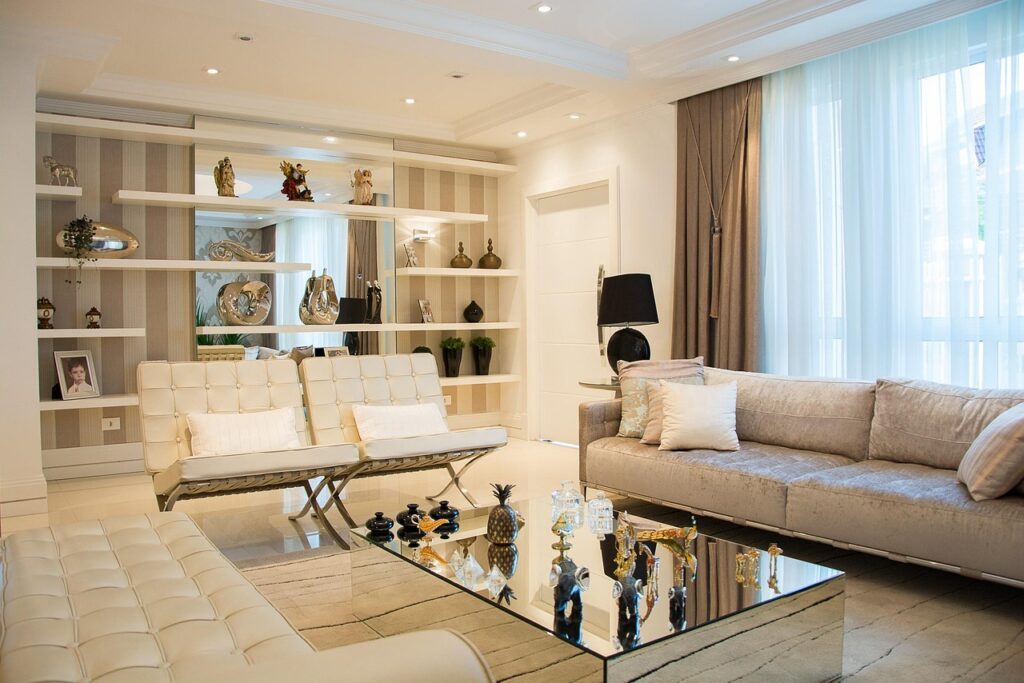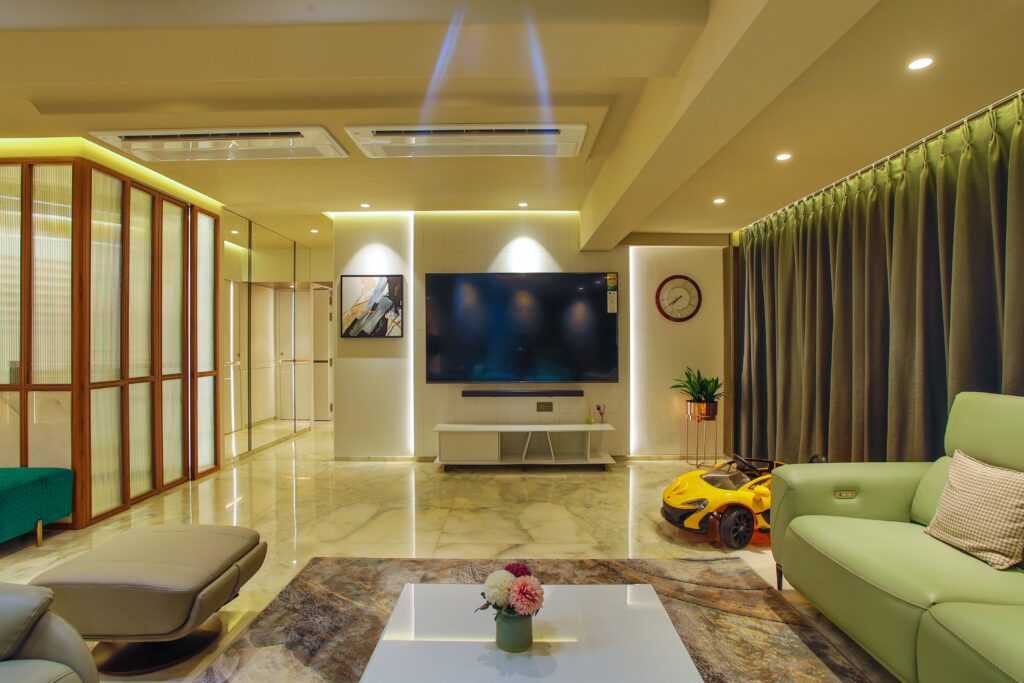
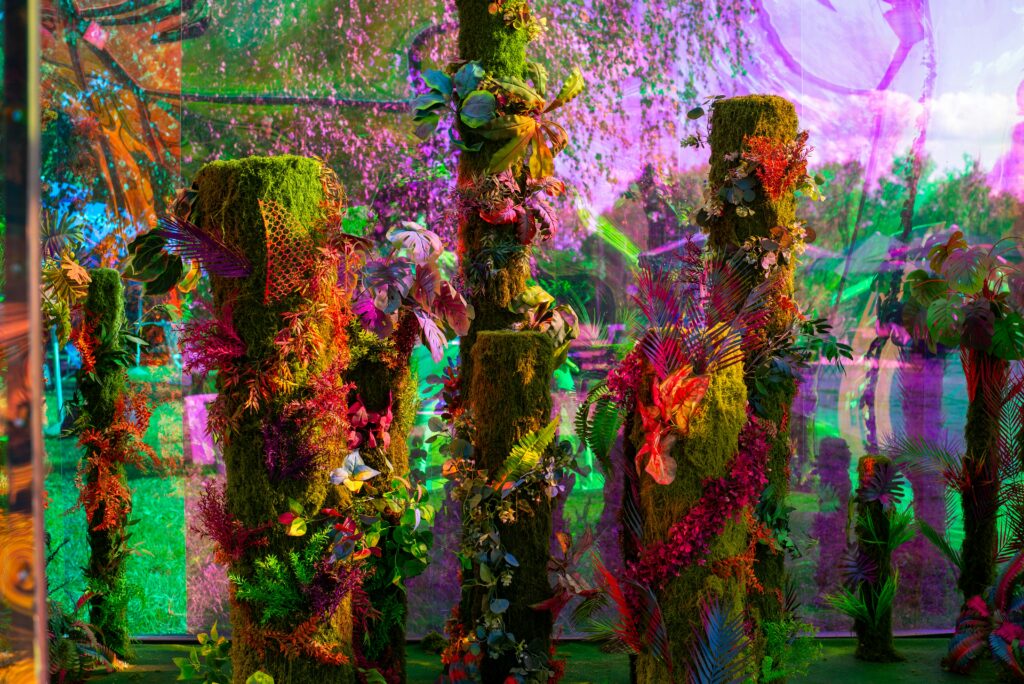
Why Natural Design Is More Than Just a Trend
In 2024, home design is leaning away from cold minimalism and fast paced tech aesthetics and toward something more grounded and meaningful. Nature inspired interiors aren’t just visually appealing they’re psychologically supportive and deeply beneficial.
The Rise of Biophilic Design
At the heart of this shift is biophilic design an approach that emphasizes the human need to connect with nature, even when indoors. This principle is transforming the way we think about our homes, encouraging spaces that feel alive and authentic.
Key elements of biophilic design include:
Incorporating natural shapes, patterns, and textures
Using real, living plants to reconnect with green spaces
Designing layouts that introduce nature views or mimic outdoor environments
Proven Benefits Backed by Science
Beyond aesthetics, nature led design has measurable impacts:
Reduced stress: People exposed to natural elements indoors report lower anxiety and cortisol levels
Improved focus: Natural light and greenery have been shown to enhance cognitive performance
Healthier air: Certain indoor plants improve air quality by filtering toxins and increasing oxygen levels
These benefits make nature inspired design a functional choice not just a stylistic one.
A Shift in Priorities
Modern homeowners are rethinking what makes a home feel nourishing. Rather than prioritize the latest smart tech or flashy surfaces, many are opting for:
Calm and organic aesthetics that support mental well being
Materials with texture and history such as reclaimed wood, handwoven textiles, and raw stone
Designs that slow things down, encouraging mindfulness and connection
This movement doesn’t signal a return to the rustic; rather, it’s a refined embrace of what feels natural and enduring, blending beauty with intention.
Bringing the Outdoors In: Practical Strategies
Creating a nature inspired home isn’t just about big renovations it starts with intentional choices that bring organic elements into everyday spaces. From materials to light, each decision contributes to a more serene and grounded atmosphere.
Use Natural Materials for Depth and Comfort
One of the most effective ways to bring nature indoors is through materials that reflect the natural world. These elements offer warmth, grounding textures, and timeless appeal.
Wood: Opt for oak, walnut, or bamboo for flooring, furniture, or accent walls
Stone and Clay: Add raw textures through countertops, tiles, or decorative pieces
Sustainable Textiles: Choose linens, organic cotton, hemp, or wool for upholstery and soft furnishings
These materials not only elevate aesthetics but also promote a more eco conscious lifestyle.
Embrace Earth Tones and Organic Palettes
Color plays a crucial role in how a space feels. Earth inspired colors tend to be calming, stable, and inviting enhancing the overall emotional tone of a room.
Warm neutrals: Taupe, tan, and beige establish a cozy foundation
Greens and ochres: Evoke vitality and mimic natural landscapes
Soft blues and muted terracottas: Ideal for bedrooms and restful spaces
Choosing paint, textiles, and decor in these palettes helps create harmony and emotional balance.
Incorporate Low Maintenance Greenery
Plants are more than a design trend they improve air quality and infuse living spaces with life.
Easy care indoor plants: Snake plant, pothos, ZZ plant, or peace lily
Larger statement plants: Monstera, fiddle leaf fig, or rubber tree for visual impact
Herb gardens: Ideal for kitchens, adding freshness and functional appeal
Place greenery strategically to soften corners, fill empty spaces, or introduce natural rhythm into modern interiors.
Maximize Natural Light and Fresh Air
Natural light transforms interiors, making them feel expansive, clean, and alive.
Expand window access: Consider removing heavy drapes or replacing solid doors with glass
Add reflective surfaces: Use mirrors to bounce light deeper into the room
Skylights and clerestory windows: Let in maximum daylight while preserving privacy
Cross ventilation: Keep windows and doors aligned for fresh air flow
These elements make spaces feel more open, brighter, and deeply connected to the outside world.
Design Styles That Embrace Nature
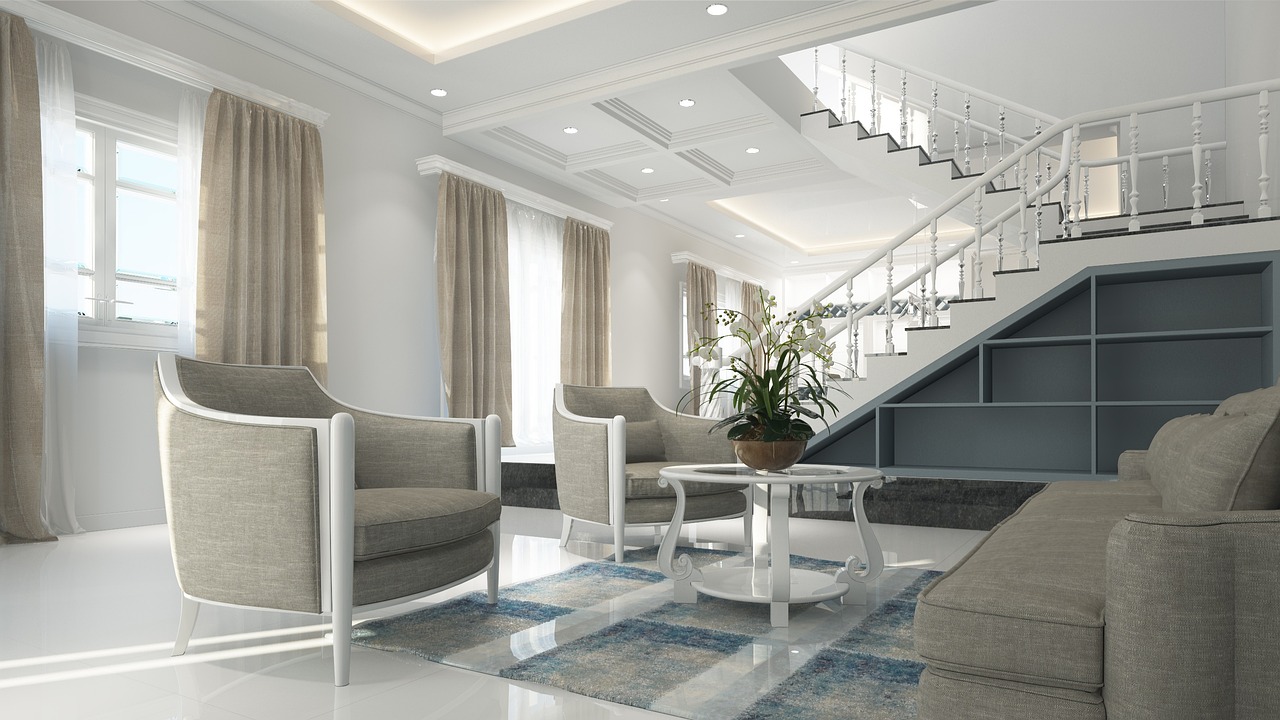
When it comes to nature inspired interiors, some design styles stand out for their intentional simplicity, organic materials, and connection to the natural world. These styles offer more than just visual appeal they reflect a restful, mindful approach to living.
Key Nature Inspired Styles
Japandi
A fusion of Japanese and Scandinavian aesthetics, Japandi focuses on clean lines, functional beauty, and serene color palettes. Expect natural wood, soft lighting, and minimal ornamentation where every item has purpose.
Wabi Sabi
Rooted in Japanese philosophy, Wabi Sabi embraces imperfection, age, and authenticity. This style features items with raw textures, organic shapes, and asymmetry that mirror the natural world.
Scandinavian
Known for its cozy, minimalist vibe, Scandinavian design emphasizes brightness, simplicity, and functionality. Wood finishes, pale palettes, and soft textiles help create a calm, light filled atmosphere.
Reflecting the Natural World
All three styles share a commitment to:
Minimalism inspired by nature’s simplicity
Organic shapes and raw, tactile materials
Visual openness and clutter free spaces
These elements echo the rhythms of the outdoors, bringing a sense of tranquility and balance indoors.
Learn More: Scandinavian Style Deep Dive
For a closer look at one of the most accessible natural design styles, explore our Scandinavian style guide. It dives into:
Clean architectural lines
Neutral earthy tones
Wood accents and hygge inspired comfort
By embracing one of these nature led styles, your home can reflect not just good design but the calm and clarity of the natural world.
Small Changes That Make a Big Impact
You don’t need to gut your living room to bring nature in. One of the simplest steps is switching out synthetic materials for natural ones. That polyester throw? Trade it for linen. Plastic decor? Look for carved wood, ceramic, or stone accents instead. Natural alternatives not only feel better they age better too.
Texture is your silent design weapon. Jute rugs, rattan chairs, and woven lampshades instantly add dimension without cluttering the space. These tactile elements do more than look nice; they ground the room and make it feel lived in and relaxed.
When it comes to wall art and decor, think less abstraction, more outdoors. Landscapes, botanical prints, and earth toned patterns offer a visual connection to the natural world, even from the middle of the city. It doesn’t take much just a few thoughtful swaps to turn sterile into soothing.
Sustainability Tied to Style
Incorporating sustainable elements into your home’s design doesn’t mean sacrificing beauty or comfort. In fact, nature led interiors often feel more grounded, timeless, and intentional. By prioritizing eco conscious choices, you not only reduce your environmental footprint you also enhance the longevity and soul of your space.
Choose Reclaimed and Sustainable Materials
One way to marry style and sustainability is through material choice. Opt for elements that are either reclaimed, upcycled, or responsibly sourced.
Reclaimed wood: Ideal for flooring, furniture, and accent walls adds character and reduces demand for new lumber.
Bamboo and cork: Rapidly renewable alternatives that are both durable and aesthetically appealing.
Locally sourced stone and clay: Great for countertops, backsplashes, or decorative accents with minimal transportation impact.
Sustainable textiles: Look for organic cotton, hemp, or linen in upholstery and curtains.
Prioritize Energy Efficiency
Natural design goes hand in hand with energy conscious living. The right choices can significantly reduce your energy needs while creating a healthier indoor environment.
Maximize natural light: Use large windows, skylights, and reflective surfaces to reduce reliance on artificial lighting.
Thermal regulation: Install energy efficient windows and insulation that reduce heating and cooling demands.
Smart placement: Arrange furniture and shade elements based on the sun’s path to optimize light and airflow.
Support a Lower Waste Lifestyle
Home design rooted in nature often encourages more mindful consumption, leading to less waste over time.
Invest in timeless, quality pieces rather than fast furniture that quickly ends up in landfills.
Use modular or adaptable furnishings that can grow with your needs instead of being replaced.
Repurpose decor items old jars as vases, baskets as storage to minimize single use purchases.
Natural design isn’t just about aesthetics it’s a lifestyle anchored in care and conservation. By integrating sustainable materials and efficient design choices, you’re not only creating a beautiful home, you’re making a positive impact.
Where to Start
Redesigning your home with natural influences doesn’t have to feel overwhelming. Starting small especially room by room can help you gradually shift toward an organic, nature aligned interior without sacrificing function or budget.
Easy Spaces to Update First
Some areas of your home are naturally more suited to nature inspired updates. Start with spaces where subtle changes will have a big visual and emotional payoff:
Entryway: A woven rug, a wooden bench, or a potted plant immediately sets a calming tone.
Living Room: Incorporate natural textiles like cotton or linen throws, add greenery, and swap synthetic decor for earthy accents.
Bathroom: Add bamboo accessories, stone elements, or a eucalyptus bundle in the shower.
Bedroom: Layer soft, breathable materials like organic cotton bedding and bring in warm, muted lighting.
Budget Friendly, High Impact Updates
You don’t need a full renovation to embrace biophilic design. Small adjustments can refresh your space dramatically:
Switch plastic or metal frames for wood paneled ones
Replace mass produced art with nature photography or botanical prints
Introduce jute, seagrass, or rattan accessories for texture and warmth
Use peel and stick wallpaper with botanical or earthy motifs for a quick makeover
These simple swaps create visual softness and a grounded atmosphere, giving your home a more relaxed, serene feel.
Get Inspired and Plan Intentionally
Curating your inspiration can keep your design direction cohesive and true to your taste. Explore design styles that prioritize coziness, simplicity, and nature led aesthetics.
One great place to begin is this Scandinavian style overview—a guide that highlights the beauty of clean lines, wood finishes, and inviting textures. Use it as a blueprint for blending organic design elements into any part of your home.
Start with what feels natural to you and let each space evolve with intention.
Nature inspired design strips away the unnecessary. It’s clean, calm, and rooted in things that feel real. It doesn’t mean filling your living room with driftwood and pinecones it means thinking about how your space makes you feel. Does it breathe? Does it flow?
When you integrate warmth through natural textures, simplicity through uncluttered layouts, and timeless pieces rooted in the earth’s palette, your home becomes more than just a collection of rooms. It becomes a living environment. A quiet grounding force.
This approach isn’t about chasing style it’s about cultivating space you can settle into. Whether it’s stone tile underfoot, linen on the bed, or filtered light falling across a plaster wall, the goal is the same: let nature lead, and let your space exhale.
 Norvain Zyphoris has opinions about home design inspirations. Informed ones, backed by real experience — but opinions nonetheless, and they doesn't try to disguise them as neutral observation. They thinks a lot of what gets written about Home Design Inspirations, DIY Home Projects, Gardening and Landscaping Ideas is either too cautious to be useful or too confident to be credible, and they's work tends to sit deliberately in the space between those two failure modes.
Reading Norvain's pieces, you get the sense of someone who has thought about this stuff seriously and arrived at actual conclusions — not just collected a range of perspectives and declined to pick one. That can be uncomfortable when they lands on something you disagree with. It's also why the writing is worth engaging with. Norvain isn't interested in telling people what they want to hear. They is interested in telling them what they actually thinks, with enough reasoning behind it that you can push back if you want to. That kind of intellectual honesty is rarer than it should be.
What Norvain is best at is the moment when a familiar topic reveals something unexpected — when the conventional wisdom turns out to be slightly off, or when a small shift in framing changes everything. They finds those moments consistently, which is why they's work tends to generate real discussion rather than just passive agreement.
Norvain Zyphoris has opinions about home design inspirations. Informed ones, backed by real experience — but opinions nonetheless, and they doesn't try to disguise them as neutral observation. They thinks a lot of what gets written about Home Design Inspirations, DIY Home Projects, Gardening and Landscaping Ideas is either too cautious to be useful or too confident to be credible, and they's work tends to sit deliberately in the space between those two failure modes.
Reading Norvain's pieces, you get the sense of someone who has thought about this stuff seriously and arrived at actual conclusions — not just collected a range of perspectives and declined to pick one. That can be uncomfortable when they lands on something you disagree with. It's also why the writing is worth engaging with. Norvain isn't interested in telling people what they want to hear. They is interested in telling them what they actually thinks, with enough reasoning behind it that you can push back if you want to. That kind of intellectual honesty is rarer than it should be.
What Norvain is best at is the moment when a familiar topic reveals something unexpected — when the conventional wisdom turns out to be slightly off, or when a small shift in framing changes everything. They finds those moments consistently, which is why they's work tends to generate real discussion rather than just passive agreement.