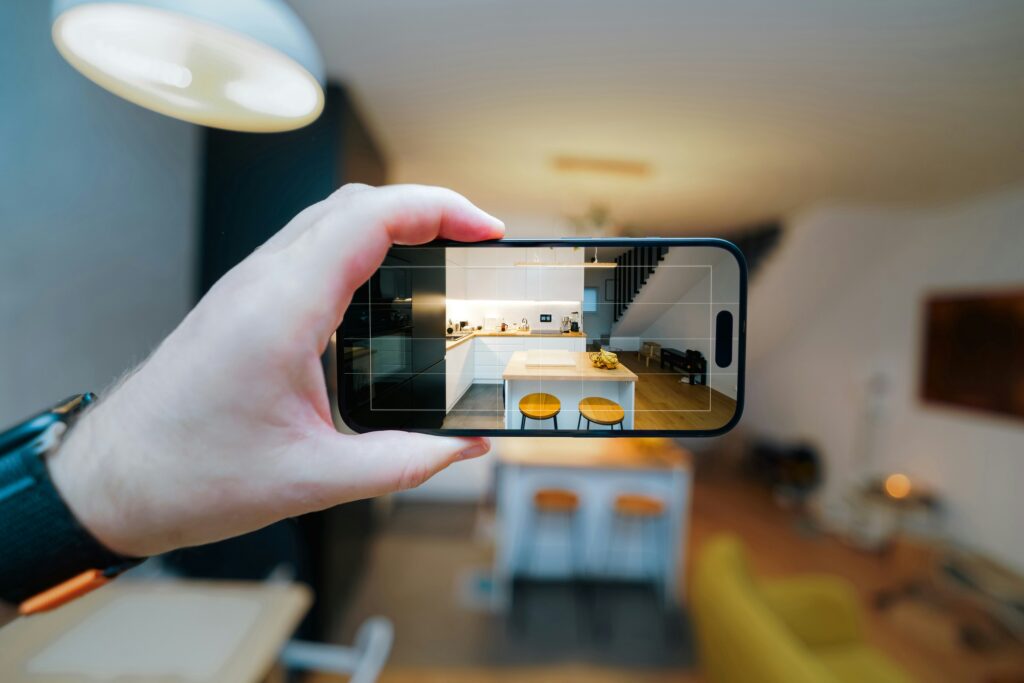

Understanding the Power of Layout
Creating a stylish, functional small space starts with one critical element: layout. Before choosing paint colors or buying trendy furniture, it’s the floor plan that determines how your space performs and feels day to day.
Why Layout Is Everything in a Tight Space
In smaller homes and apartments, every inch needs to work harder. A smart layout creates a flow that makes your home feel bigger, more open, and more livable.
Layout dictates how comfortably you can move through a room
Good flow reduces visual clutter and daily frustration
Arrangement directly influences the perceived size of your space
Without an intentional layout, even the best decor can look chaotic.
Common Floor Plan Mistakes That Cramp Your Style
It’s easy to fall into layout traps especially in limited square footage. Some of the most common errors include:
Pushing all furniture against the walls: Instead of creating openness, this often leads to awkward voids in the center of the room.
Using pieces that are too big or don’t serve multiple purposes: Oversized furniture might technically fit, but it overwhelms the room visually.
Ignoring natural flow: Placing items in walkways or blocking doors and windows disrupts both comfort and design harmony.
How Flow Enhances Function and Style
Flow isn’t just about walkability. It’s about how your space serves your lifestyle from morning coffee to movie nights. When rooms connect visually and practically, everything syncs:
Defined zones (like lounge, sleep, and work) help create a natural rhythm
Strategic pathways reduce crowding and simplify movement
Intentional sightlines make small spaces feel cohesive and thoughtfully designed
Ultimately, a great layout balances how your space looks with how it lives.
Key Layout Strategies That Work
Start with zones. In a small space, every square foot has a job. Separate your sleeping, working, and lounging areas mentally and visually. This might mean using a rug to anchor your bed space, a bookshelf to edge off a work nook, or angling seating to define a living zone. It’s less about walls, more about intention.
Next up: floating furniture. Pushing everything against the wall doesn’t make a room bigger it just makes it feel tighter. Let your couch breathe. Slide a chair a few inches off the corner. Even in a studio apartment, floating just one or two key pieces helps with flow and stops the room from feeling like a storage unit.
Don’t confuse “fits” with “works.” A sofa may technically squeeze into your space, but if it’s oversized, it’ll swallow the room. Choose scaled pieces that match the footprint and feel balanced. Opt for a loveseat over a sectional. Try a round table that moves easily. Think about air and movement not just measurements.
Layout isn’t paint or pillows. Get this part right, and everything else falls into place.
Storage + Style: The Hybrid Approach
In small spaces, storage shouldn’t look like storage. That’s why multifunctional pieces are worth their square footage. Beds with drawers, ottomans that open up, coffee tables with hidden compartments these do more than save space. They keep your place looking clean without sacrificing the things you need close by.
Next up: vertical space. Most homes ignore it. Smart layouts don’t. Shelves that float above head level, hooks near the entry, fold down desks that vanish when your workday ends these add real function without eating into your floorplan.
Then there’s the gold standard: built ins. Expensive upfront, yes, but they pay dividends. Custom units that wrap around doors, tuck into alcoves, or stretch floor to ceiling make every inch count. Unlike most flat pack furniture, they look like they belong and they stay put. If you’re going to splurge anywhere, this is where it makes a lasting impact.
Optical Tricks That Expand and Elevate
Making a small space feel larger doesn’t always require structural changes sometimes, it’s about visual perception. With a few clever layout choices, you can increase the sense of openness and elevate the overall design.
Make Mirrors Work Harder
Strategically placed mirrors do more than allow you to check your outfit they can completely transform the feel of a room.
Place mirrors across from windows to reflect natural light
Use oversized or grouped mirrors to add depth
Consider mirrored furniture for built in light bounce
Choose Low Profile Seating
Furniture that sits closer to the floor creates more visual breathing room. This subtle shift draws the eye upward and makes ceilings feel higher.
Opt for low back sofas and armless chairs
Avoid bulky frames that dominate the floorplan
Prioritize clean lines and compact proportions
Define Without Dividing Using Rugs
Rugs serve as powerful visual tools in layouts without walls. They help zone open areas and bring cohesion without blocking flow.
Use appropriately sized rugs to anchor furniture groupings
Layer rugs over hard floors for texture and balance
Match rug shapes to the layout (rectangular for seating areas, round for corners)
For more practical layout and decor tips, explore the full small space decorating guide.
Layout Pitfalls to Avoid
Even the most stylish vision can fall flat if your layout creates obstacles, crowding, or visual imbalance. Here are three key layout pitfalls to steer clear of when designing a small space:
Oversized Furniture That Blocks Flow
In a compact room, it’s essential to preserve natural walkways and keep circulation open. Oversized sofas, big coffee tables, or bulky storage units can interrupt movement and make the area feel even smaller.
Stick to appropriately sized furniture for the scale of the room
Measure traffic lanes ideally you’ll want at least 24″ of clearance around and between key pieces
Position larger items against walls to open up central floor space
Furniture Sets That Feel Forced
Matching sets may seem like the safe choice, but they often lack personality and flexibility in a small layout. Instead, opt for a curated mix of pieces that serve your needs and reflect your style.
Combine different finishes, materials, and silhouettes to add depth
Focus on choosing furniture that fits your lifestyle, not just a showroom display
Layer in flexible options like ottomans or side tables that can move around easily
Undervaluing Proper Lighting
Lighting does more than illuminate; it defines space, adds dimension, and elevates the mood. Many small spaces suffer from having just one overhead light, which flattens everything.
Use layered lighting: combine ambient, task, and accent sources
Add table lamps, sconces, or under shelf LEDs where overhead options fall short
Mirrors and reflective materials can help lighting go further, especially in darker corners
Style Without Compromise
Minimalism doesn’t have to feel cold. In a small space, the goal isn’t emptiness it’s clarity. Choose fewer pieces, but make them count. A simple wood bench, a linen throw, or a matte black lamp can warm up a clean space without overloading it. Texture is your best friend. Think soft knits, warm woods, or raw ceramics. These add soul without chaos.
When it comes to color, lean into palettes that expand the room: soft neutrals, warm whites, muted earth tones. These keep things light, but not sterile. Using just two or three complementary tones across walls, furniture, and décor keeps the eye moving and the room feeling bigger.
And don’t skip personality. A single framed photo, a favorite book stack, or one quirky object with a story adds intimacy without clutter. Small spaces thrive on considered choices not empty shelves.
(Don’t miss more small space decorating tips here)
Making It Yours
Small doesn’t mean less it means more intentional. The best compact spaces don’t chase size; they double down on efficiency and style. That starts with a mindset shift: instead of working around limitations, treat every inch like premium real estate. The goal isn’t to squeeze more in it’s to design smarter.
You don’t need a huge renovation budget to get it right. A great layout is about decisions, not dollars. It means knowing your routines, letting your layout reflect your life, and making each piece carry its weight. One chair that swivels between a reading nook and a work desk? Smarter than two that do half jobs.
Function leads the way, but personality seals the deal. Your space should work hard, but still feel like a reflection of you whether it’s art you love, colors you wear, or textures that make the place feel lived in, not staged. Minimal doesn’t have to mean cold. Clean doesn’t mean characterless.
Start with purpose. Style follows.
 Tamarase Crisman has opinions about interior decorating tips. Informed ones, backed by real experience — but opinions nonetheless, and they doesn't try to disguise them as neutral observation. They thinks a lot of what gets written about Interior Decorating Tips, Sustainable Living Practices, DIY Home Projects is either too cautious to be useful or too confident to be credible, and they's work tends to sit deliberately in the space between those two failure modes.
Reading Tamarase's pieces, you get the sense of someone who has thought about this stuff seriously and arrived at actual conclusions — not just collected a range of perspectives and declined to pick one. That can be uncomfortable when they lands on something you disagree with. It's also why the writing is worth engaging with. Tamarase isn't interested in telling people what they want to hear. They is interested in telling them what they actually thinks, with enough reasoning behind it that you can push back if you want to. That kind of intellectual honesty is rarer than it should be.
What Tamarase is best at is the moment when a familiar topic reveals something unexpected — when the conventional wisdom turns out to be slightly off, or when a small shift in framing changes everything. They finds those moments consistently, which is why they's work tends to generate real discussion rather than just passive agreement.
Tamarase Crisman has opinions about interior decorating tips. Informed ones, backed by real experience — but opinions nonetheless, and they doesn't try to disguise them as neutral observation. They thinks a lot of what gets written about Interior Decorating Tips, Sustainable Living Practices, DIY Home Projects is either too cautious to be useful or too confident to be credible, and they's work tends to sit deliberately in the space between those two failure modes.
Reading Tamarase's pieces, you get the sense of someone who has thought about this stuff seriously and arrived at actual conclusions — not just collected a range of perspectives and declined to pick one. That can be uncomfortable when they lands on something you disagree with. It's also why the writing is worth engaging with. Tamarase isn't interested in telling people what they want to hear. They is interested in telling them what they actually thinks, with enough reasoning behind it that you can push back if you want to. That kind of intellectual honesty is rarer than it should be.
What Tamarase is best at is the moment when a familiar topic reveals something unexpected — when the conventional wisdom turns out to be slightly off, or when a small shift in framing changes everything. They finds those moments consistently, which is why they's work tends to generate real discussion rather than just passive agreement.