
Blend Beauty and Function
Edible landscaping is more than just planting vegetables in neat rows it’s about designing outdoor spaces that are both visually appealing and abundant with fresh, edible produce. By integrating ornamental beauty with homegrown functionality, your backyard becomes a personal oasis that delights both the eye and the palate.
Why Choose Edible Landscaping?
Growing your own food doesn’t mean compromising on style. Modern edible landscaping blends aesthetics and practicality by incorporating plants that offer color, shape, and texture while also putting food on your plate.
Offers a visually rich alternative to standard vegetable gardens
Reduces grocery store dependence with hyper local produce
Encourages sustainable living without sacrificing curb appeal
A Fresh Take on Curb Appeal
Edible plants can be just as elegant as traditional ornamentals. With the right design choices, they can transform a backyard or front yard into an inviting, productive landscape.
Mix brightly colored vegetables like rainbow chard or purple basil into flower beds
Use fruiting shrubs and dwarf trees as ornamental focal points
Highlight garden paths with herbs, flowering onions, or vibrant lettuce heads
How to Blend Ornamentals and Edibles
Creating harmony between aesthetic and edible plants is easier with a bit of planning. Focus on color, structure, and seasonal interest to design a backyard space that works all year long.
Group by height and width: Layer taller edible plants like corn or sunflowers along back borders, followed by mid sized shrubs like blueberries, with low growing herbs in front
Use color strategically: Accent greens with pops of purple sage, bright nasturtiums, or maroon stemmed kale
Alternate texture: Pair leafy greens with feathery dill or spiky rosemary for added visual interest along walkways or patios
Blending beauty with bounty turns your landscaping into a dynamic, year round living space that you can admire and eat.
Colorful greens: Few things liven up a garden bed like rainbow chard or a crisp head of red leaf lettuce. These greens are more than just easy on the eyes they’re fast growers, cold hardy, and cut and come again friendly. Mix them with curly or lacinato kale and you’ve got a textured mini forest that feeds you and frames your yard with color.
Bushes that pop: Want beauty with a bonus harvest? Blueberry, currant, and dwarf raspberry bushes offer structure and seasonal surprises. They’re manageable in size, deliver loads of berries, and burst with flowers in spring and fire like reds in fall. Tuck them along fences or paths where their form and fruit can shine.
Compact fruit trees: You don’t need a full orchard. Columnar apples stand tall with a narrow footprint. Dwarf peaches fit neatly into raised beds. Espaliered pear trees can even run flat against a wall or trellis. All three bring fruit bearing power without overwhelming tight spaces.
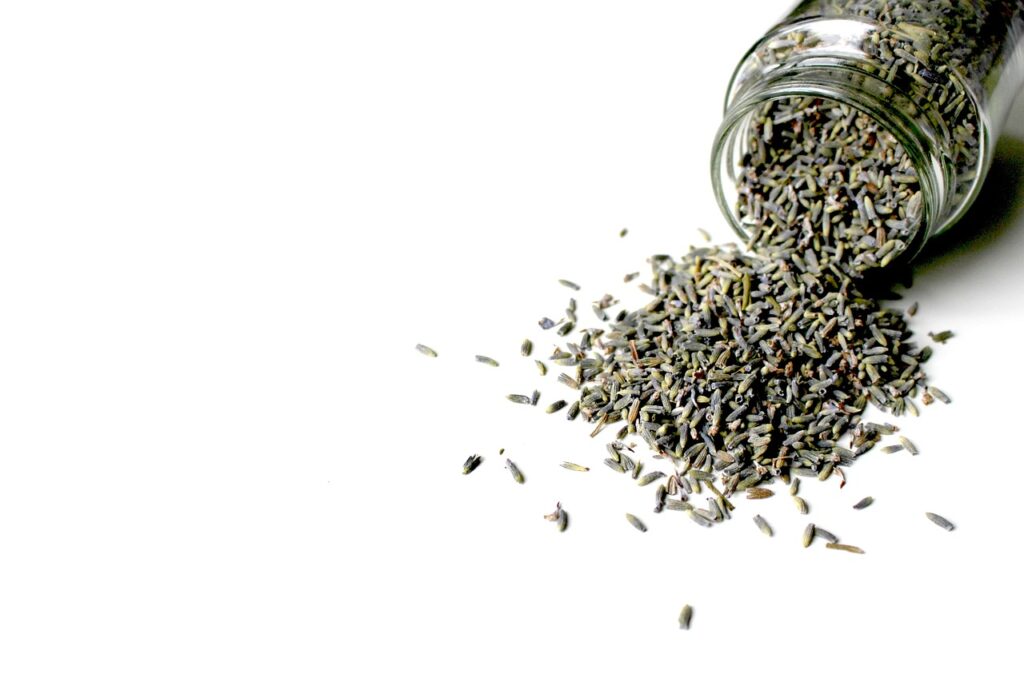
Herbs with style: Border plants don’t have to be boring. Lavender, rosemary, and flowering thyme nail the trifecta: fragrance, form, and flavor. They define edges, attract pollinators, and can be picked fresh for dinner or tea. Bonus they thrive on neglect and don’t mind heat, making them a smart line of defense for your garden’s outer rim.
Smart Layout Tips for Functionality
Good design in edible landscaping isn’t just about looks it’s strategy. Go with layering. Put your tallest plants, like fruit trees, at the back of your beds or along a fence. Middle ground is for shrubs: think blueberries or dwarf figs. Up front, slot in herbs like basil, oregano, or thyme. The result is a clean line of sight, easy access, and a tiered look that mimics nature’s own structure.
Raised beds kick form and function up a notch. They define space, boost drainage, and make harvesting simpler. Even better, they can be built at a height that saves your back. Use wood or stone for visual warmth, and group beds in grids or triangles for a purposeful flow.
Finally, squeeze more out of every square foot with companion planting. Marigolds next to tomatoes for pest control. Basil under peppers to enhance flavor. Beans and corn for mutual support. Smart combos like these create mini ecosystems that work harder than your average row of vegetables.
Use Edible Ground Covers and Borders
Edible landscaping isn’t just about what grows tall and catches the eye what’s at ground level can be just as impactful. Incorporating edible ground covers and border plants allows you to enhance both beauty and productivity at the base of your beds and along walkways.
Ground Covers That Feed and Flourish
Choose ground hugging plants that offer visual appeal while producing edible yields:
Strawberries Offer sweet fruit, lush foliage, and delicate white blooms in spring
Creeping Thyme A fragrant, flowering herb that thrives between pavers or at the edge of paths
Alpine Mint Bush Compact, aromatic, and attractive to pollinators
These options help suppress weeds, retain moisture, and improve soil health all while contributing to your harvest.
Framing with Purpose: Edible Borders
Edible borders blur the line between ornamental and functional. Use them to define bed edges, line garden paths, or soften transitions between hardscaping elements:
Add color and contrast with flowering herbs
Choose plants with varied textures to build visual interest
Let your borders double as pollinator pathways
Well placed edible borders not only complement the structure of your landscape but also offer accessible, daily harvests right at your fingertips.
Grow Vertical With Purpose

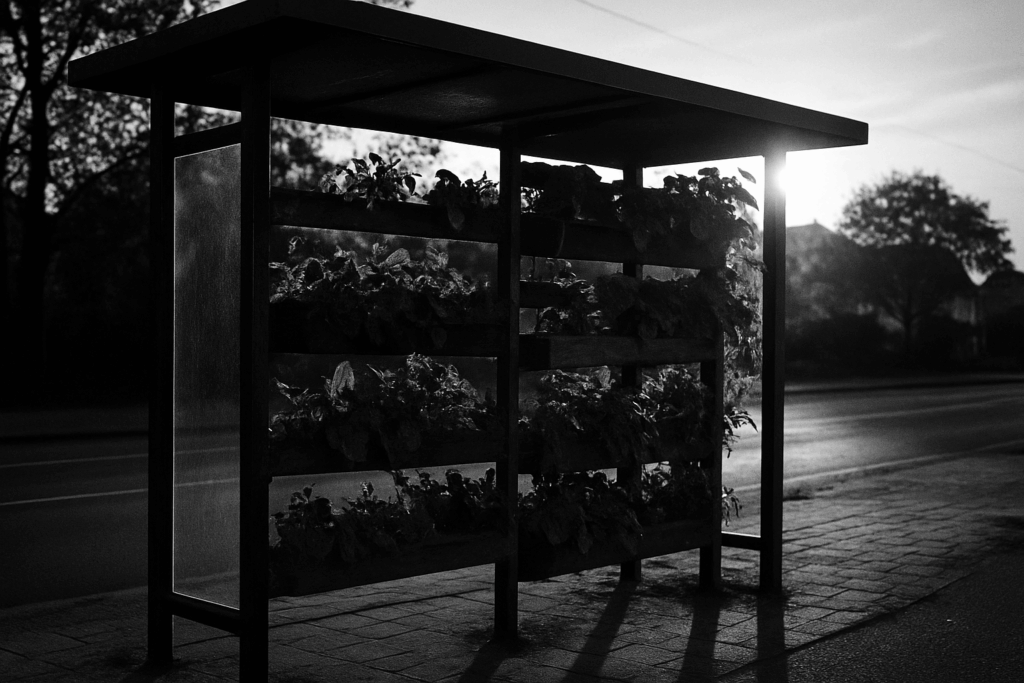
When space runs short, growing up not out is a smart move. Trellises are the go to tool for vertical gardening. Tomatoes, pole beans, and cucumbers all thrive when given height they get better airflow, more sun exposure, and are easier to harvest. Bonus: fewer issues with pests and rot.
For a functional statement piece, consider arched walkways. Frame them with grapevines or climbing squash and you’ll get shade, structure, and a good harvest all in one. These features turn simple paths into productive tunnels of green.
Vertical growing isn’t about aesthetics alone. It frees up precious ground space, boosts yields, and organizes your edible landscape without clutter. Whether for a small backyard or a larger garden, growing upward multiplies your output without stretching your footprint.
Invite Nature In
Edible landscaping isn’t just about making your yard useful it can be a quiet lifeline for local wildlife. When you plant native edibles, you’re doing more than stocking your table. You’re feeding bees that pollinate your tomatoes, sheltering butterflies near your thyme beds, and giving birds a reason to drop by that raspberry bush. These aren’t just side benefits they’re part of a balanced, low effort ecosystem.
Start with native picks that serve double duty. Consider elderberries, serviceberries, or wild strawberries plants that thrive where you live and offer a food source for both you and the species around you. Let lavender and flowering herbs bring in pollinators. Avoid sterile hybrids that look nice but don’t offer nectar, seed, or shelter.
The win here is quiet but powerful: a garden that produces food, looks good, and hums with life. Want to take it further? Check out how to create a wildlife backyard habitat and fold even more natural support into your design.
Seasonal Rotation for Year Round Beauty
Keeping your edible landscape productive and attractive from January to December isn’t about guesswork it’s about timing. Seasonal planting ensures you’ve always got something growing, something blooming, and something ready for the plate.
In spring, start with fast growers like radishes and early greens arugula, spinach, and baby lettuces. Toss in edible flowers like pansies if you want color early on, even before most trees leaf out.
By summer, your garden hits its stride. Tomatoes and peppers take center stage, both lush and flavorful. Nasturtiums pull double duty here: bright blooms that snack well and act as natural pest control.
As the temperatures dip, swap in fall staples cabbages, carrots, kale, and hardy herbs like sage or thyme. Many of these can take a light frost and keep going strong.
The goal across all seasons? Keep the colors coming and the harvest flowing. Learn your planting zones, stagger your seedings, and think of your yard as a living patchwork that shifts with the weather. Done right, it feeds the eyes as much as the table.
Maintenance Without the Mystery
Edible landscaping isn’t just gardening with snacks it comes with its own rules. First off, you’re not just growing pretty things. You’re growing food, which often needs more consistent care and attention. That doesn’t mean more effort it just means smarter effort.
Start with mulch. Mulch keeps edible beds neat, locks in moisture, and suppresses weeds. Organic straw or shredded leaves do the job without introducing anything synthetic to your soil. Then there’s compost your garden’s quiet power source. A simple bin with scraps, yard waste, and time gives you rich, living soil that helps plants thrive without chemical boosters.
Watering? Go efficient. Drip irrigation or soaker hoses deliver hydration right to the roots without wasting a drop. Less evaporation, fewer fungal issues, and it cuts your chore list.
Forget harsh sprays. Pests happen but you’ve got options. Companion plants like marigolds or basil can deter unwanted insects naturally. Attract helpful predators like ladybugs or birds with layered planting and flowering herbs.
Edible landscaping runs on balance. Keep things simple, organic, and tuned to your space, and you’ll have a low maintenance setup that feeds you and looks good doing it.
(Want to support biodiversity too? Learn how to build a wildlife backyard habitat)
 Ask Stephen Wertzorens how they got into outdoor living solutions and you'll probably get a longer answer than you expected. The short version: Stephen started doing it, got genuinely hooked, and at some point realized they had accumulated enough hard-won knowledge that it would be a waste not to share it. So they started writing.
What makes Stephen worth reading is that they skips the obvious stuff. Nobody needs another surface-level take on Outdoor Living Solutions, Interior Decorating Tips, DIY Home Projects. What readers actually want is the nuance — the part that only becomes clear after you've made a few mistakes and figured out why. That's the territory Stephen operates in. The writing is direct, occasionally blunt, and always built around what's actually true rather than what sounds good in an article. They has little patience for filler, which means they's pieces tend to be denser with real information than the average post on the same subject.
Stephen doesn't write to impress anyone. They writes because they has things to say that they genuinely thinks people should hear. That motivation — basic as it sounds — produces something noticeably different from content written for clicks or word count. Readers pick up on it. The comments on Stephen's work tend to reflect that.
Ask Stephen Wertzorens how they got into outdoor living solutions and you'll probably get a longer answer than you expected. The short version: Stephen started doing it, got genuinely hooked, and at some point realized they had accumulated enough hard-won knowledge that it would be a waste not to share it. So they started writing.
What makes Stephen worth reading is that they skips the obvious stuff. Nobody needs another surface-level take on Outdoor Living Solutions, Interior Decorating Tips, DIY Home Projects. What readers actually want is the nuance — the part that only becomes clear after you've made a few mistakes and figured out why. That's the territory Stephen operates in. The writing is direct, occasionally blunt, and always built around what's actually true rather than what sounds good in an article. They has little patience for filler, which means they's pieces tend to be denser with real information than the average post on the same subject.
Stephen doesn't write to impress anyone. They writes because they has things to say that they genuinely thinks people should hear. That motivation — basic as it sounds — produces something noticeably different from content written for clicks or word count. Readers pick up on it. The comments on Stephen's work tend to reflect that.