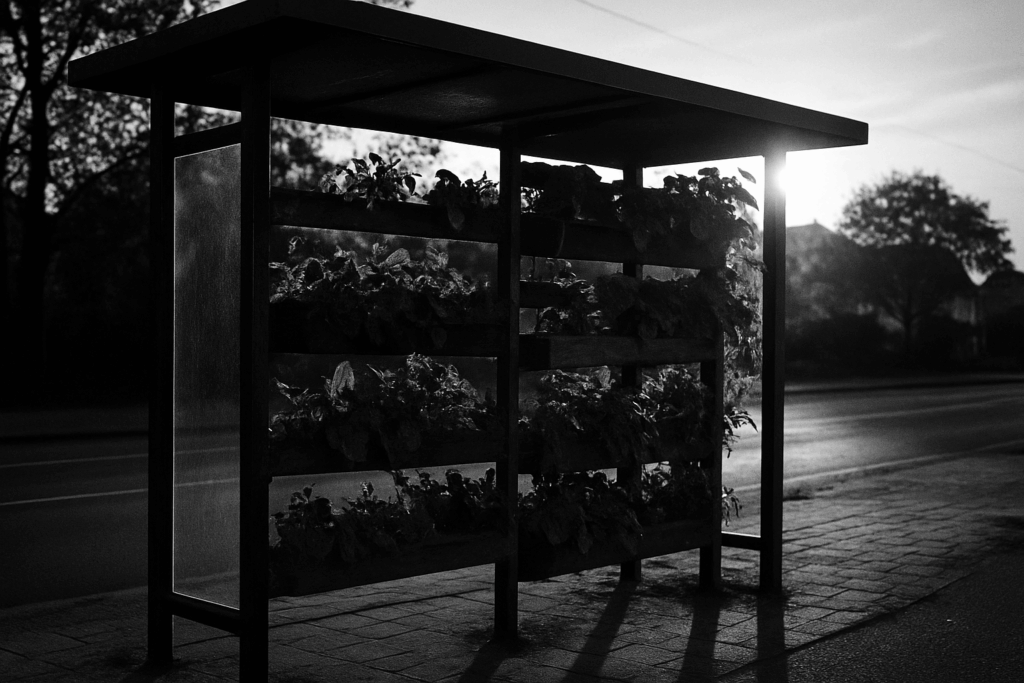
Why Vertical Gardening Works When Square Footage Doesn’t
Living in an apartment often means compromising on outdoor space but that doesn’t mean you have to give up on greenery. Whether it’s a small balcony, a sunny windowsill, or a bare indoor wall, vertical gardening offers a smart solution for nature lovers with limited square footage.
The Challenge: Minimal Outdoor Space
Apartment living tends to come with limitations:
No backyard or garden
Limited balcony or patio access
Restrictions on drilling or altering walls (especially for renters)
These constraints can make traditional gardening almost impossible. But that’s where vertical gardening steps in.
The Solution: Growing Up, Not Out
Vertical gardening transforms underused space into a green sanctuary, bringing life to your walls and windows. It creates a vertical footprint ideal for fitting more plants in tight areas.
Common vertical garden locations in apartments:
Balcony railings
Windowsills with shelves or suction cup planters
Bathroom walls with moisture loving plants
Kitchen corners for vertical herb gardens
Beyond Aesthetics: Real Life Benefits
Vertical gardens aren’t just nice to look at they improve your living space:
Air purification: Plants like spider plants and peace lilies help clean indoor air
Fresh herbs at your fingertips: No more last minute grocery runs for basil or mint
Mental wellness: Studies show that having greenery nearby reduces stress and enhances focus
Even one vertical wall of plants can make a small apartment feel more alive, more breathable, and more personal.
So if you’re short on square footage, think vertical your walls have more potential than you think.
Hack 1: Start With Lightweight, Stackable Planters
If you’re growing up instead of out, your gear matters. When it comes to containers, go for materials that are light, durable, and easy to rearrange. Resin and plastic planters check those boxes cheap, weather resistant, and won’t crack if you move them around. Recycled wood adds a natural look and holds up fine if you seal it against moisture.
Decide upfront: tiered plant stands or modular wall units? Tiered stands are simple, freestanding, and easy to tuck into any balcony corner. Great for herbs, small veggies, or trailing plants. Modular wall systems are trickier to install, but earn points for saving real floor space. These work best along walls or over railings if your lease allows.
Drainage is non negotiable. Without it, roots rot and your project tanks fast. Use pots with built in holes and put trays underneath or use self watering setups. For sunlight, stack higher light plants on top tiers or closer to windows. Shade tolerant ones like ferns or pothos can live lower down.
Still figuring it out? This guide has more ideas: space saving vertical garden.
Hack 2: Go Up, Not Out with Hanging Systems
When floor space is limited, it’s time to look up. Vertical hanging systems allow apartment dwellers to grow more plants without sacrificing livable space.
Smart Hanging Options
Instead of bulky planters, consider slim, stylish hanging features that add greenery while saving space.
Macramé hangers: These soft rope designs are lightweight and ideal for small pots. Bonus: they double as decor.
Metal hooks: Use wall mounted or ceiling hooks to suspend hanging baskets. They’re sturdy and easy to install.
Tension rods: Perfect for rental spaces no drilling required. Set one up in a window frame or across a balcony to hang pots.
Choose the Right Plants
Not all plants thrive in vertical hanging systems. Focus on those that are light, fast growing, and low maintenance:
Pothos: A popular trailing plant that thrives in indirect light.
Herbs: Basil, parsley, and thyme grow well in small containers and are easy to harvest.
Strawberries: Surprisingly adaptable to vertical hanging, especially in outdoor setups with good sun.
Safety First: Hanging in Rentals
Apartment dwellers must strike a balance between creativity and caution:
Check weight limits of your hanging setup avoid overloading your supports.
Use anchors and secure fasteners for ceiling installations when allowed.
Stick to non damaging mounts like adhesive hooks or tension rods if you’re concerned about your lease.
Vertical hanging systems can transform even the smallest apartment into a lush, green retreat you just need the right tools, plants, and planning.
Hack 3: Use Everyday Items Creatively

You don’t need fancy gear to go vertical. A few overlooked household items can turn into surprisingly effective planter systems. Start with a basic fabric shoe organizer the kind with pockets. Hang it on a balcony rail or wall, fill the pockets with a little potting mix, and tuck in herbs or shallow rooted plants like lettuce or basil. Just put a tray underneath or water carefully to avoid drips.
Old wooden pallets are another underrated MVP. Fasten them vertically to a secure surface, staple landscape fabric behind each slat to create planting troughs, and fill them with soil. Succulents, ferns, and even strawberries thrive in this setup if they get enough light.
Over the door racks, the kind used for shoes or cleaning supplies, also have potential. Stick some small pots into the shelves or bins and you’ve got an instant hanging garden no tools required.
If DIY’s not your thing, there are budget friendly vertical garden kits on the market that mimic these repurposed setups without the need for power tools. Look for modular plastic panels or hanging sleeves; most are renter friendly and go up in minutes.
Hack 4: Maximize Light with Strategic Placement
Light is non negotiable. No matter how clever your planter setup is, if your plants aren’t getting enough of it, they’re not going to thrive. Start with the obvious: south facing windows. They get the most light throughout the day. If you’ve got a balcony, use the rails to hang planters where they’ll catch the sun just make sure you’re not violating any building codes. Even the bathroom counts. Shower rods and curtain rails near a window can double as a home for trailing plants that like humidity.
But not everyone has the luxury of southern exposure. That’s where grow lights come in. Stick to full spectrum LED lights they’re energy efficient and mimic natural sunlight well. Clip on versions work for shelves or window frames, while bar lights can span across a wall or rack. You don’t need a NASA setup just consistency and placement that lines up with your plants’ needs.
Water slowly, not endlessly. If you’re busy (and who isn’t), automate the guesswork. Watering timers can help, or just pick one or two days a week to check in on moisture levels. Stick your finger an inch into the soil if it’s dry, water. Keep it simple. Build a routine that fits your daily rhythm, and your plants will adapt right alongside you.
Hack 5: Think Edible Not Just Decorative
Vertical gardens aren’t just for show they can feed you too. Start with edibles that won’t throw tantrums over limited space or sunlight. Basil, mint, lettuce, and cherry tomatoes are solid bets. They grow fast, don’t need deep roots, and hold up well in a range of light conditions. No fuss, just fresh flavor.
For soil, think lean and light. Skip traditional dirt and go for compact mediums like coco coir or potting mix blended with perlite. They hold moisture without waterlogging and keep things breathable for roots. Perfect for wall pockets, hanging baskets, or DIY planters made from upcycled containers.
Manage your harvest like you manage your fridge small and steady. Leafy greens can be trimmed weekly. Herbs? Snip and regrow. Cherry tomatoes cycle fast and fruit often when supported with basic trellising. Keep a rotating plan so there’s always something coming in and something on deck. Make every square inch count, and your vertical garden becomes your quiet little functional rebel growing food right outside (or inside) your apartment wall.
More Layout Ideas
If you’ve maxed out your wall space, it’s time to think in layers. A hybrid system pairing vertical structures with movable pots adds flexibility to compact living. Stack pots on rolling carts or trolleys that can shift with the sun. Use narrow plant ladders alongside rail mounted planters. This combo works especially well if you’re short on consistent light or need to reset your setup based on seasons.
Rotating shelving is another smart option. You can DIY it with a lazy Susan style platform or go full throttle with a tiered, motorized rig (yes, those exist). Add a gravity fed watering system basically a top reservoir dripping down through tubing or cotton wicks and suddenly your setup is borderline self sustaining.
The goal: optimize for movement, airflow, and light. And always keep the watering low effort. For more clever setups, check out space saving vertical garden.
Stay Small, Grow Smart
Forget picture perfect grids and Pinterest dreams. Your space, your schedule, your plants that’s the winning formula. Vertical gardening in an apartment isn’t about recreating someone else’s curated setup. It’s about building what works where you live, whether that’s a narrow windowsill or a shady balcony with personality.
Start with one wall. One rail. One rod. The trick is to test early and scale slowly. Pay attention to where light actually hits, not where you wish it would. Use that data to anchor your setup. Once something thrives, build around it.
And above all: simplify. Choose a handful of plants you know you like then keep your watering, feeding, and pruning systems easy enough to actually follow. Timers, self watering pots, and consistent placement beat daily guesswork. The goal isn’t to babysit a jungle. It’s to grow something on your terms and keep it alive.
 Norvain Zyphoris has opinions about home design inspirations. Informed ones, backed by real experience — but opinions nonetheless, and they doesn't try to disguise them as neutral observation. They thinks a lot of what gets written about Home Design Inspirations, DIY Home Projects, Gardening and Landscaping Ideas is either too cautious to be useful or too confident to be credible, and they's work tends to sit deliberately in the space between those two failure modes.
Reading Norvain's pieces, you get the sense of someone who has thought about this stuff seriously and arrived at actual conclusions — not just collected a range of perspectives and declined to pick one. That can be uncomfortable when they lands on something you disagree with. It's also why the writing is worth engaging with. Norvain isn't interested in telling people what they want to hear. They is interested in telling them what they actually thinks, with enough reasoning behind it that you can push back if you want to. That kind of intellectual honesty is rarer than it should be.
What Norvain is best at is the moment when a familiar topic reveals something unexpected — when the conventional wisdom turns out to be slightly off, or when a small shift in framing changes everything. They finds those moments consistently, which is why they's work tends to generate real discussion rather than just passive agreement.
Norvain Zyphoris has opinions about home design inspirations. Informed ones, backed by real experience — but opinions nonetheless, and they doesn't try to disguise them as neutral observation. They thinks a lot of what gets written about Home Design Inspirations, DIY Home Projects, Gardening and Landscaping Ideas is either too cautious to be useful or too confident to be credible, and they's work tends to sit deliberately in the space between those two failure modes.
Reading Norvain's pieces, you get the sense of someone who has thought about this stuff seriously and arrived at actual conclusions — not just collected a range of perspectives and declined to pick one. That can be uncomfortable when they lands on something you disagree with. It's also why the writing is worth engaging with. Norvain isn't interested in telling people what they want to hear. They is interested in telling them what they actually thinks, with enough reasoning behind it that you can push back if you want to. That kind of intellectual honesty is rarer than it should be.
What Norvain is best at is the moment when a familiar topic reveals something unexpected — when the conventional wisdom turns out to be slightly off, or when a small shift in framing changes everything. They finds those moments consistently, which is why they's work tends to generate real discussion rather than just passive agreement.