Light Without the Overhead
Mirrors are a no drill way to boost natural light without adding more fixtures. They don’t just reflect what’s in front of them they carry daylight further into your space. When placed strategically, they catch window light and throw it deeper into the room, making things feel brighter without flipping a switch.
The best move? Set mirrors adjacent to or opposite your windows. This maximizes the bounce angle and pushes light across darker areas that would otherwise stay in shadow. Even one well placed mirror can do the work of an extra window on a sunny day.
This trick shines in smaller rooms or homes short on windows. If your space lacks natural light, a tall mirror near any daylight source can completely change the vibe making a once dim corner feel open and more alive. It’s a simple shift with outsized impact.
Doubling Down on Space
Mirrors don’t just reflect they stretch. Used right, they make even the tightest room feel open and breathable. Strategic placement is key. A mirror across from a window doubles the sense of depth. One tucked behind a dining table or sofa can draw the eye further than the wall would allow. Corners count too; placing a mirror where two walls meet can trick the brain into seeing extra volume.
When to go big? Go full wall if you’re dealing with a cramped living area or a narrow hallway. It creates a clean, continuous reflection that maximizes space in one sweep. Accent panels, on the other hand, work best when you’re trying to add dimension without stealing the spotlight. Think of them like punctuation small, intentional breaks in solid space.
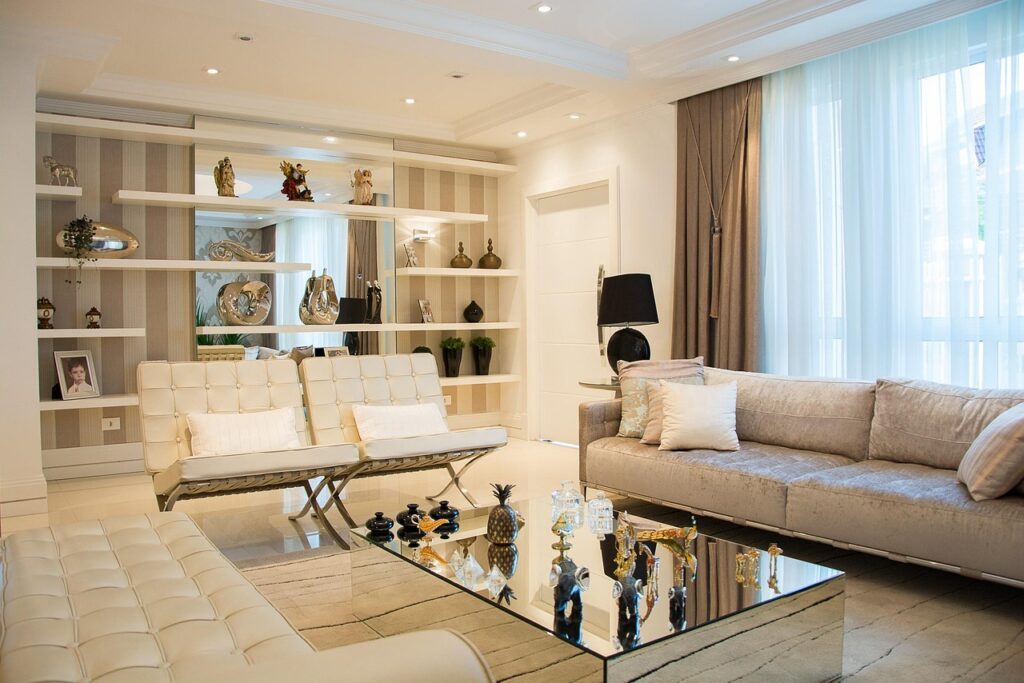
Then there’s mirrored furniture: less obvious, but just as effective. A coffee table, cabinet face, or console with mirrored surfaces bounces light and adds subtle depth. The effect is quieter than a statement wall but still sharp. It’s a clean way to lift a room without screaming for attention.
Framed Statements That Reflect Style
A mirror isn’t just a mirror it’s a design element. Custom frames let you steer the look to match your interior vibe without adding clutter. If your space leans clean and minimalist, think thin matte black or natural oak frames. For an industrial edge, consider raw steel or brushed metal. Organic interiors benefit from tactile materials like rattan or aged wood. The point is to echo what’s already happening in the room so nothing feels out of place.
Shape matters, too. Arched mirrors soften hard lines in contemporary layouts. Round ones add balance when your furniture is all squared off. Rectangular styles? Solid choice for hallways or next to windows it extends the lines already in play. And when possible, match your mirror shape or frame with repeated design elements already in the room: a curved sofa back, a concrete wall, an exposed beam.
If you’re going for that modern minimalist energy, there’s more to dig into here: modern minimalist designs.
Mirror Panels as Art Installations
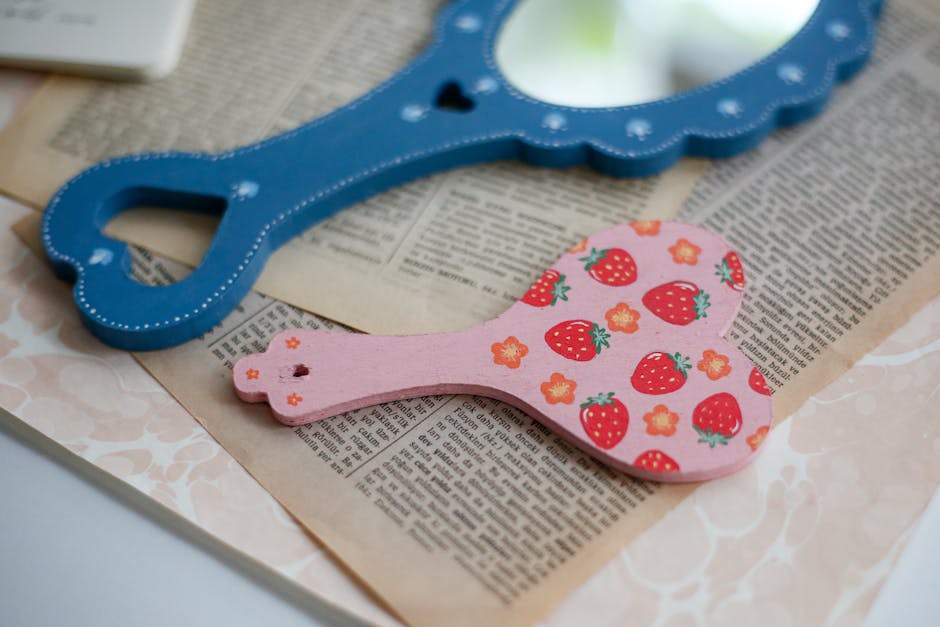
Forget the single oversized mirror cliché. This is where mirrors move beyond utility and step into art. Think clusters. Arranging multiple panels in geometric patterns like grids, diamonds, or offset angles adds depth and structure to any wall. It breaks up flatness without adding bulk, giving modern spaces just enough edge.
Tints change everything. Smoked for mood, bronze for warmth, or rose for that subtle luxe glow. Mix and match finishes to interrupt predictability and layer in personality. Especially in rooms that lean minimalist, a bit of tonal variety in reflective surfaces can shift the mood without cluttering the scene.
Then there’s the magic trick: using mirrors to pull in nature or lighting. Panels placed opposite a tree lined view or near a sculptural lamp can double the beauty and motion in a space. The mirror becomes alive reactive. Morning light bounces softly. Evening shadows add contrast. It’s not just design it’s rhythm.
Functional Mirrors That Hide in Plain Sight
Not every mirror needs to shout. Some of the most effective modern mirror designs work quietly in the background doing double duty without cluttering your walls. Built in cabinet mirrors in kitchens and hallways are a prime example. They reflect light, give a quick visual check before heading out the door, and keep the visual line clean by merging with functional storage.
Sliding mirror panels are another smart move. In tight spaces, they replace traditional closet doors or act as hidden panels for storage niches. Beyond saving space, they add an unexpected layer of polish without demanding constant attention.
Then there are smart mirrors. These aren’t just tech gimmicks they’ve evolved. Today’s smart bathroom mirrors come with LED lighting, temperature controls, and touch interfaces that let you catch the morning briefing or adjust the ambience. They sit at the intersection of utility and sleek design, making your daily routine a little smoother no visual clutter required.
Using Mirrors to Anchor Minimalist Elements
Less doesn’t mean lifeless. Mirrors are a quiet powerhouse in minimalist design when used with purpose. A single reflective surface, placed dead center or aligned with architectural lines, can bring sharp balance to a room. Symmetry becomes instinctive, not forced. The mirror doesn’t shout it supports.
Pairing mirrors with raw, honest materials like wood, concrete, or matte black metal adds contrast without clutter. It’s about friction that feels balanced. The hard edges of a metal frame next to a soft grain wood table, all mirrored and echoed back it works because it’s clean and deliberate.
Where mirrors pull double duty is in cutting down visual noise. Clean lines get reflected. That means a minimalist living room or hallway reads sharper, more intentional. If everything’s neat, the mirror amplifies that precision. If it’s messy, it broadcasts the chaos. Use that to your advantage.
Want a deeper look at what mixes well in minimalist environments? Explore complementary modern minimalist designs here.
Going Big Without Overdoing It
There’s a fine line between bold and too much. Statement mirrors oversized, sculptural, dramatic are having a moment in modern interiors, but the smartest ones don’t try too hard. Think scale, placement, and restraint. A large circular mirror above a console says more than a mirrored gallery wall ever could. It brings light, shape, and intention without adding visual weight.
Leaning full length mirrors are another quiet flex. No drilling, no fuss they rest against the wall and feel natural, especially in relaxed spaces like bedrooms or studio style living areas. The slight tilt adds a softness that mounted mirrors don’t, and they reflect just enough to open the room without dominating it.
In open plan layouts, mirror fatigue is real. Too many surfaces bouncing light and reflections can get overwhelming fast. To avoid it, limit mirrors to one strong design led piece per zone. If the living room has a standout mirror, skip one in the entryway. Layer textures matte paint, soft fabrics, natural materials to balance out the sheen. Mirrors should expand your space, not fight for attention in it.
 Norvain Zyphoris has opinions about home design inspirations. Informed ones, backed by real experience — but opinions nonetheless, and they doesn't try to disguise them as neutral observation. They thinks a lot of what gets written about Home Design Inspirations, DIY Home Projects, Gardening and Landscaping Ideas is either too cautious to be useful or too confident to be credible, and they's work tends to sit deliberately in the space between those two failure modes.
Reading Norvain's pieces, you get the sense of someone who has thought about this stuff seriously and arrived at actual conclusions — not just collected a range of perspectives and declined to pick one. That can be uncomfortable when they lands on something you disagree with. It's also why the writing is worth engaging with. Norvain isn't interested in telling people what they want to hear. They is interested in telling them what they actually thinks, with enough reasoning behind it that you can push back if you want to. That kind of intellectual honesty is rarer than it should be.
What Norvain is best at is the moment when a familiar topic reveals something unexpected — when the conventional wisdom turns out to be slightly off, or when a small shift in framing changes everything. They finds those moments consistently, which is why they's work tends to generate real discussion rather than just passive agreement.
Norvain Zyphoris has opinions about home design inspirations. Informed ones, backed by real experience — but opinions nonetheless, and they doesn't try to disguise them as neutral observation. They thinks a lot of what gets written about Home Design Inspirations, DIY Home Projects, Gardening and Landscaping Ideas is either too cautious to be useful or too confident to be credible, and they's work tends to sit deliberately in the space between those two failure modes.
Reading Norvain's pieces, you get the sense of someone who has thought about this stuff seriously and arrived at actual conclusions — not just collected a range of perspectives and declined to pick one. That can be uncomfortable when they lands on something you disagree with. It's also why the writing is worth engaging with. Norvain isn't interested in telling people what they want to hear. They is interested in telling them what they actually thinks, with enough reasoning behind it that you can push back if you want to. That kind of intellectual honesty is rarer than it should be.
What Norvain is best at is the moment when a familiar topic reveals something unexpected — when the conventional wisdom turns out to be slightly off, or when a small shift in framing changes everything. They finds those moments consistently, which is why they's work tends to generate real discussion rather than just passive agreement.