Clean Lines, Calm Living
Minimalist design hasn’t just survived into 2026 it’s matured. The allure is simple: less stuff, less noise, more space to breathe. In an age where digital clutter and constant input fill every corner of modern life, our physical environments are one of the few things we can actually control. That’s where minimalism delivers. Blank walls. Intentional lines. Only what you need and nothing more.
This isn’t just a look. It’s a lifestyle shift. When your home is pared down to essentials, your brain follows. Fewer distractions, clearer thinking. A minimalist home makes the everyday feel lighter, and the mind less cluttered. It’s less about being austere, more about being in control.
What’s new? Functional minimalism. It’s not about showcasing style for style’s sake. These spaces work harder smart storage, multipurpose furniture, seamless tech. The design is clean, but it doesn’t sacrifice utility. As homeowners rethink what truly earns a place in their space, functional minimalism is answering with clarity and purpose.
The All White Canvas
Minimalism at its core doesn’t mean sterile it means stripped to the essentials. The all white canvas leans into that ethos with a monochrome palette that feels clean but not cold. The trick: texture. Layer in elements like matte plaster, wool throws, linen curtains, and lightly grainy ceramics. These small choices keep the all white scheme from falling flat.
Natural light becomes a design feature on its own in this setup. Sunlight bounces off pale walls and reflective surfaces to create bright, calming interiors that feel expansive but grounded. There’s no clutter, no noise. Just clarity.
This approach is tailor made for small spaces. White makes rooms feel larger, and the layered textures add depth without visual chaos. Whether it’s a city apartment or a converted garage studio, the all white, light filled strategy turns tight quarters into high functioning sanctuaries.
Industrial Minimal with Warmth
Raw materials meet refined execution in this grounded take on minimalist design. Industrial minimalism often conjures images of stark, cold interiors but this updated version embraces warmth through balance and detail.
Material Harmony
The heart of Industrial Minimal lies in an intentional blend of textures and tones:
Exposed concrete: Offers durability with a muted, matte visual weight
Steel framing and accents: Add structure without visual clutter
Natural wood finishes: Introduce depth, warmth, and organic appeal
Used together, these materials form a tactile environment that feels both contemporary and welcoming.
Floating Design Elements
Visually light but structurally solid, floating features bring flexibility and openness into what can otherwise be heavy feeling spaces.
Floating staircases: Maximize spatial flow and maintain clean sightlines
Wall mounted shelving and storage: Reduce floor obstruction while enhancing form
Integrated cabinetry: Keeps everyday clutter tucked away while echoing industrial lines
These elements serve a dual purpose form and function presenting minimalist design in its most adaptable state.
Lighting that Softens
Lighting design plays a crucial role in softening the rigidity of industrial elements. The right lighting choices elevate the aesthetic and embrace a more livable minimalism.
Warm LED strips in shelving or under counters for subtle, ambient effects
Statement pendant lights made of frosted glass, linen, or brushed metal to create contrast
Strategic use of natural light to brighten tough surfaces and create movement throughout the day
Together, this industrial warm minimalism reframes cold materials into a deeply personal, livable space proof that minimalism doesn’t have to feel minimal in comfort or character.
Japanese Scandinavian Fusion (“Japandi”)
Japandi brings together the understated warmth of Japanese interiors with the functional calm of Scandinavian design. The result is a space that feels rooted yet breathable nothing extra, nothing wasted.
The palette leans into earth tones: muted beiges, charcoal greys, soft olives, and natural woods. Materials are honest and clean unlacquered woods, hand thrown ceramics, linen, and stone. You won’t find ornamentation here for the sake of it. Every object has a purpose, and each piece of furniture is chosen for both form and function, showing evidence of the maker’s hand.
Empty space isn’t leftover it’s intentional. It invites stillness, clarity, and focus. Japandi isn’t about filling a room; it’s about letting a room breathe. In a world overloaded with visuals and noise, this trend feels like a deep inhale a welcome reset.
Floating Elements
Clean floors, fewer legs, more air. Floating elements are becoming staples in minimalist interiors for a reason: they declutter both the room and the mind. Wall mounted cabinets give the illusion of space, lifting bulky storage off the ground and freeing up visual real estate. Suspended seating keeps lines open and sightlines fluid great when every square foot counts.
This design approach is especially powerful in living rooms and compact apartments, where the goal is to make a small footprint feel big. Less obstruction means more breathing space, both physically and mentally. And the look? Sharp, deliberate, and unpretentious.
Use it where you want lightness without giving up function. It’s minimalism applied with intention not just aesthetics, but smarter use of space.
The Modular Smart Home
Minimalist homes aren’t static anymore. They’re learning to move, adjust, and respond. Modular furniture is leading the shift think coffee tables that lift into workstations, sofas that split into guest beds, and shelves that slide depending on what you’re storing. When space is limited, versatility isn’t optional it’s essential.
Smart tech has also matured past gimmicks. Lighting systems adjust throughout the day to support your natural rhythm. Climate control learns your habits and sticks to what feels right without overcorrecting. It all blends into the background, which is the point. Technology shouldn’t scream in a minimalist home it should whisper.
And yes, it’s all sustainable or at least aiming in that direction. Home setups that work harder mean fewer impulse replacements. Eco focused materials and low energy integrations keep these designs aligned with the minimalist ethos: less waste, less distraction, more living.
Concrete and Glass Retreat
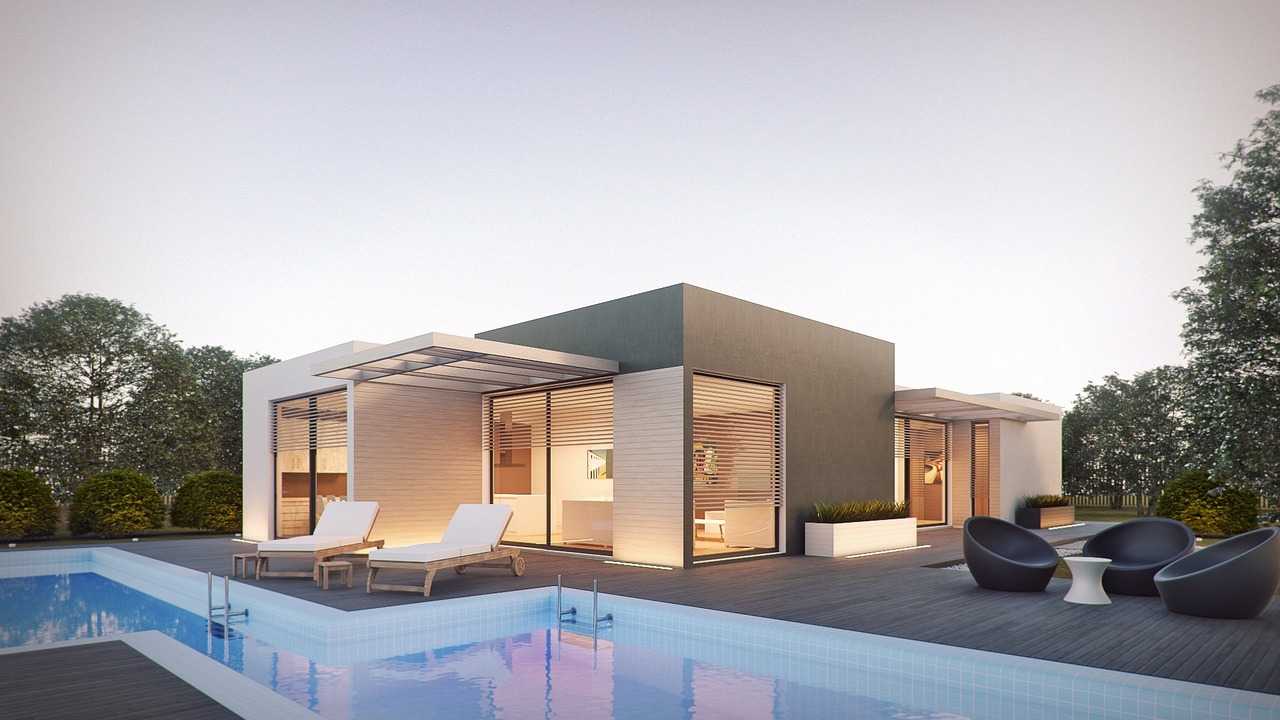
This style doesn’t whisper minimalism it states it plainly, then softens the edges just enough. The core is brutalist: raw concrete, clean lines, and a solid sense of structure. But floor to ceiling glass panels break it open, erasing the hard divide between indoors and out. Natural light floods the space, expanding rooms without adding square footage.
What keeps it livable, not stark, is the plant life. Think spare but intentional just enough greenery layered into the design to take the chill off the concrete. A single potted tree by the window, low profile planters running along a bench, or a narrow vertical garden where you’d least expect it.
Despite all the light, privacy isn’t lost. Smart layouts and positioning mean you get the openness without putting your life on display. This is design for people who want clarity, space, and calm without retreating into coldness.
Open Concept with Hidden Storage
Minimalist homes live and breathe by how well they manage flow. In open concept spaces, the kitchen, dining, and lounge need to connect not just visually, but functionally. That means layouts without roadblocks. Sightlines uninterrupted. A natural transition from morning breakfast to evening lounging.
But open doesn’t equal empty. The key is designing for movement without losing utility. Built in benches that double as storage. Kitchen islands that glide into dining tables. Hidden compartments inside lounge cabinetry. These aren’t gimmicks they’re smart, space saving decisions that keep clutter out of sight but always within reach.
Minimalism isn’t about owning less; it’s about showing less. Embrace the unseen. Toe kick drawers. Wall integrated shelves. Behind the panel appliances. It’s all about ease in living, in cleaning, in thinking.
Done right, this style doesn’t just look clean it lives clean.
Natural Wood and Stone Palette
This style doesn’t shout it whispers. Tone on tone schemes built from natural materials are the minimalist answer to overstimulation. Think grain on grain wood cabinetry, wide oak planks underfoot, and muted river stones lining a bathroom wall. The color palette? It’s not really color at all just subtle shifts in texture and tone that feel organic, calm, and grounded.
Perfect for mountain cabins, city hideouts, or wellness first spaces, this approach prioritizes connection to the natural world without dipping into rustic clichés. Surfaces are matte, lighting is soft, and nothing screams for attention. Instead of bright pigments, the visual interest comes from layers textured linens, raw plaster walls, honed stone countertops. That’s where the richness lives.
Texture becomes the new color here. It adds depth without clutter. It gives the eyes something to rest on, not race through. And in a world full of noise, that restraint feels refreshing.
Soft Minimal for Families
Minimalist design doesn’t have to mean stark or uncomfortable especially when designing for families. Soft minimalism allows room for comfort, function, and subtle elegance, without sacrificing the core principles of the minimalist aesthetic.
Family Friendly Features
Creating a home that supports both form and family function means incorporating elements that cater to daily life, safety, and comfort:
Plush, low profile sofas that offer comfort without overwhelming the space
Rounded edges on furniture to promote safety and flow
Durable, washable materials that handle wear and tear
Neutral tones like warm beige, soft gray, and matte whites to create calm, cohesive interiors
Utility Without Clutter
The balance between practical needs and visual simplicity is essential. Consider these design tips:
Multifunctional furniture such as ottomans with storage or extendable tables
Open shelving paired with hidden compartments to keep essentials accessible but tidy
Decluttered surfaces where only purposeful items are on display
Redefining Minimalism for Family Living
Soft minimalism is about creating breathing room in busy homes. It’s proof that minimal design can still be cozy, child friendly, and deeply personal. By prioritizing comfort, flow, and selective design choices, families can fully embrace a modern minimalist lifestyle without compromising livability.
Vintage Touches with a Modern Core
Minimalism doesn’t have to mean sterile. A single vintage chair, a mid century lamp, or a weathered credenza can shift the whole feel of a room. It’s about choosing wisely one piece, strong enough to carry character, without crowding the clean lines of a modern layout.
When done right, a vintage object becomes the focal point the story in the space. The key is restraint. Let a classic find breathe. Put it against a quiet backdrop. Make it matter. Mixing eras in a minimalist design is less about quantity and more about impact.
If you want to strike that balance, here’s your guide: How to Blend Vintage and Contemporary Styles Seamlessly at Home.
What to Borrow for Your Own Space
Minimalism doesn’t start at the furniture store. It starts at home with what you’ve already got. Instead of buying into the idea that everything needs to be new or trend aligned, take stock of your space and strip it back. Keep only what serves a function or adds real meaning. The chipped mug you always reach for, the chair that fits just right, the few books you reread these matter more than another sleek coffee table from a catalog.
Visuals are easy to chase, but minimalism runs deeper. It’s not about making your place look bare minimum stylish. It’s about cutting the noise. Materials with weight solid wood, natural stone, aged leather create impact without needing excess. They ground the room in something that lasts.
At its core, minimalism is a disciplined mindset: live with intention, choose less but better, and focus on how a space feels and functions for your life not someone else’s idea of perfect. Form follows purpose. Style follows clarity.