
Understand the Core Elements of Each Style
Let’s clear something up: vintage and contemporary don’t have to be at odds. The trick is understanding what makes each style tick in 2026.
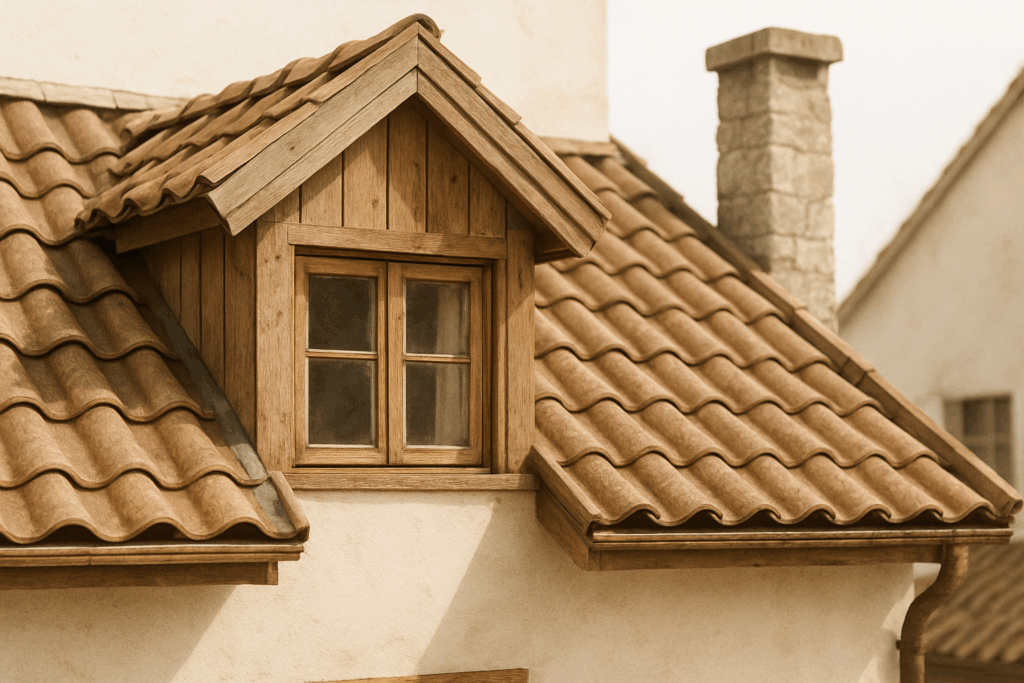
Vintage, today, isn’t just old it’s curated. Think materials like aged leather, solid oak, brass, and linen. Patterns lean toward the nostalgic: florals with a faded edge, worn in plaids, maybe a bold Art Deco print. Craftsmanship matters more than ever. Pieces with visible joinery, patina, or hand stitched details are prized not just for their looks, but for their story.
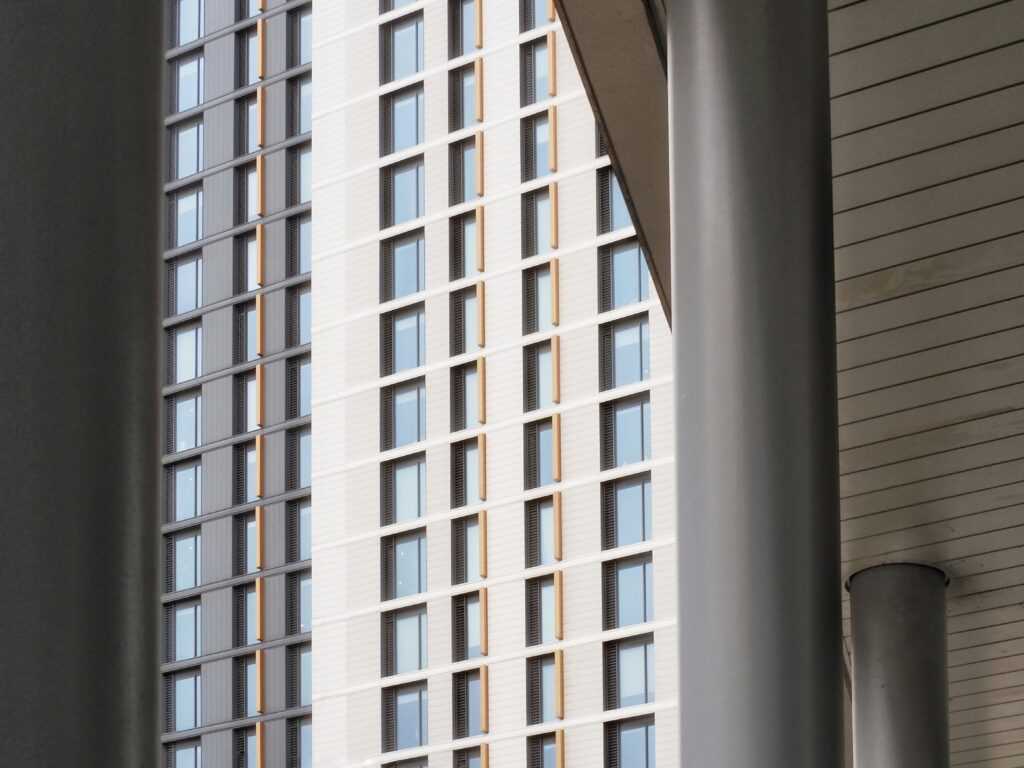
On the other side, contemporary design keeps things streamlined. Clean lines, mostly neutral color palettes (taupe and soft gray still rule), and smart home touches baked into the design. Lighting is sleek, furniture often modular. It’s less about ornament, more about clarity and ease.
Now, contrast doesn’t mean conflict. A vintage dresser can sit beautifully against a smooth white wall. Industrial sconces from the ‘40s can team up with a smart mirror. What clashes? Overdoing it. Too many patterns, or forcing a rustic cabinet into a stark ultra modern setup. What works? Shared materials wood, wool, metal and balance. Let each piece breathe. Let them talk to each other. That’s when the blend starts to feel effortless.
Start with a Neutral Foundation
Before you bring in any antique pieces or retro flourishes, the first move is simple: pare everything back. Clean white walls, natural light, and simplified layouts create breathing room for your design to evolve. Think of it as setting the stage with clarity where every item added has a reason to be there, not just a place to fill.
Light, neutral tones are more than just a style choice they’re a strategy. Shades like warm ivory, soft greys, and muted taupes help vintage pieces sit comfortably in modern settings. They give your patinated wood or brass fixtures something to contrast against without overwhelming the eye. It’s about balance, not background noise.
Texture is your secret weapon. When you strip color down to a tight range, the room risks feeling flat. Avoid that by layering textures: stone with linen, rich leather with smooth glass, a wool rug beneath an iron legged coffee table. This keeps the eye moving and the space visually engaging, without tipping into chaos. Minimal doesn’t mean sterile it just means intentional.
Choose Iconic Vintage Pieces as Focal Points
Blending vintage and contemporary design works best when each element has purpose. Rather than filling a space with flea market finds, a few standout pieces can speak volumes.
Focus on Timeless Statement Items
Choose one or two vintage pieces that feel bold, authentic, and balanced in scale. Let these items anchor the room visually while complementing the surrounding modern elements.
A sculptural 1960s credenza or teak sideboard
A mid century modern lounge chair with sleek lines
Retro lighting like a Sputnik chandelier or atomic floor lamp
These pieces become conversation starters and design touchpoints, infusing character without overwhelming the space.
Avoid Over Styling with Too Many Accents
It’s tempting to collect every vintage treasure you come across, but restraint maintains aesthetic clarity. Too many aged pieces especially from different decades can clutter the narrative of your home.
Limit the number of vintage elements per room
Let one key piece carry the design weight
Pair with contemporary elements to keep things fresh
Think quality over quantity. A single well preserved vintage chair makes a bigger impact than five mismatched antiques.
Mix Centuries with Purpose
You can blend multiple historical eras, but do so thoughtfully. Clashing motifs like ornate Victorian curves beside Scandinavian minimalism can feel disjointed without a unifying theme.
Tips to harmonize:
Stick to a cohesive color palette to unify styles
Choose vintage pieces that echo the lines or materials of your modern décor
Avoid mixing overly ornate designs with ultra sleek minimalism without transitional elements
When in doubt, less is more. A curated balance creates visual intrigue without chaos.
Blend Through Color and Material Harmony

Blending the old with the new isn’t about faking a match it’s about finding a rhythm. Start with wood tones. A walnut mid century table doesn’t need identical wood neighbors, but it shouldn’t clash with a bright pine cabinet either. Look for shared undertones warm with warm, cool with cool. Same goes for metals. Polished chrome and aged brass can cohabit if tied together by a consistent design language, or even a shared matte finish. It’s less about exact matches, more about controlled contrast.
Reupholstering vintage pieces is one of the cleanest ways to pull them into this decade. That classic club chair? Swap out the crushed velvet for a textured linen or a durable performance blend. It holds onto the charm but fits how we really live now less ornate, more straightforward.
Color ties it all together. Soft grays, desaturated greens, layered off whites they take the edge off older detailing without erasing it. You’re not pretending a 1940s chest is modern. You’re giving it a calm, current backdrop so it doesn’t shout. Harmony isn’t uniformity. It’s textured, thoughtful blending.
Anchor with Modern Functionality
Vintage charm shouldn’t come at the cost of convenience. A truly seamless blend of old and new means honoring traditional design while integrating the comforts and technologies of modern life. Here’s how to strike that balance effectively.
Integrate Smart Tech Subtly
Smart home features can coexist with vintage aesthetics when thoughtfully installed. The key is to prioritize discretion and design continuity.
Choose devices in neutral or matte finishes that blend into your decor
Use smart plugs and voice controlled lighting hidden behind furniture or art
Frame smart speakers or thermostats within vintage wall insets or cabinetry to minimize visual disruption
Streamline Storage Without Disrupting Décor
Functionality and beauty go hand in hand when your home is both lived in and stylish. Opt for storage solutions that complement older design elements, rather than overpowering them.
Use repurposed vintage trunks, armoires, or credenzas for storage with character
Install modern closet systems within antique wardrobes
Tuck modular storage bins inside traditionally styled furniture to maintain clarity and cohesion
Comfort and Usability Come First
Even in design forward spaces, your home must work for your lifestyle. Comfort and intuition should guide your layout and furniture selections.
Choose retro inspired seating with ergonomic upgrades
Make walkways wide, lighting accessible, and layouts intuitive
Evaluate each design decision through both a visual and functional lens
Blending eras isn’t just about aesthetics it’s about creating a home that feels both timeless and livable. Prioritize comfort and usability alongside style, and your space will naturally strike the right balance.
Get Inspired by Current Interior Trends
Design in 2026 is less about matching sets and more about meaningful contrast. The hybrid style equal parts vintage soul and modern clarity isn’t just a passing mood, it’s showing up everywhere, from boutique hotels to suburban remodels. This mix says a lot without screaming, and that restraint is what makes it work.
Materials like brushed brass, smoked glass, and deeply grained woods are making a comeback, but they’re being paired with low profile silhouettes and soft matte finishes. Layouts are shifting too. Open concept isn’t dead, but designers are carving in visual zones and cozy nooks to allow layered pieces to breathe. That’s key when your space features both a retro bar cart and a modular tech savvy sofa.
There’s also a new comfort with imperfection. Not everything needs to look like it came off the showroom floor. Raw edged timber side tables and hand stitched upholstery are being styled next to crisp, contemporary lighting. The eclectic mix feels less curated and more collected because it is.
For a pulse on the materials and layouts shaping this look, check out 2026 Interior Design Trends That Are Taking the Design World by Storm.
Be Intentional with Every Piece
There’s a fine line between curated and chaotic. Blending vintage and contemporary isn’t about stacking old and new like mismatched books it’s about making choices. When every object feels random, your home starts to lean thrift shop, not thoughtful. Avoid the clutter trap by letting each item earn its place. If a piece doesn’t serve a clear purpose visually or functionally it’s probably just noise.
Good style is quiet confidence. That means editing often. Look at your space with fresh eyes every few months. Shift things around. Remove what no longer fits. Cohesion isn’t a one time decision it’s maintenance.
Finally, there are plenty of design rules out there but instincts matter more. Not every perfect match comes from a mood board. Go with what feels balanced, what feels like you. A room should breathe, not check boxes. Trust your gut it usually knows where to put the chair.
 Norvain Zyphoris has opinions about home design inspirations. Informed ones, backed by real experience — but opinions nonetheless, and they doesn't try to disguise them as neutral observation. They thinks a lot of what gets written about Home Design Inspirations, DIY Home Projects, Gardening and Landscaping Ideas is either too cautious to be useful or too confident to be credible, and they's work tends to sit deliberately in the space between those two failure modes.
Reading Norvain's pieces, you get the sense of someone who has thought about this stuff seriously and arrived at actual conclusions — not just collected a range of perspectives and declined to pick one. That can be uncomfortable when they lands on something you disagree with. It's also why the writing is worth engaging with. Norvain isn't interested in telling people what they want to hear. They is interested in telling them what they actually thinks, with enough reasoning behind it that you can push back if you want to. That kind of intellectual honesty is rarer than it should be.
What Norvain is best at is the moment when a familiar topic reveals something unexpected — when the conventional wisdom turns out to be slightly off, or when a small shift in framing changes everything. They finds those moments consistently, which is why they's work tends to generate real discussion rather than just passive agreement.
Norvain Zyphoris has opinions about home design inspirations. Informed ones, backed by real experience — but opinions nonetheless, and they doesn't try to disguise them as neutral observation. They thinks a lot of what gets written about Home Design Inspirations, DIY Home Projects, Gardening and Landscaping Ideas is either too cautious to be useful or too confident to be credible, and they's work tends to sit deliberately in the space between those two failure modes.
Reading Norvain's pieces, you get the sense of someone who has thought about this stuff seriously and arrived at actual conclusions — not just collected a range of perspectives and declined to pick one. That can be uncomfortable when they lands on something you disagree with. It's also why the writing is worth engaging with. Norvain isn't interested in telling people what they want to hear. They is interested in telling them what they actually thinks, with enough reasoning behind it that you can push back if you want to. That kind of intellectual honesty is rarer than it should be.
What Norvain is best at is the moment when a familiar topic reveals something unexpected — when the conventional wisdom turns out to be slightly off, or when a small shift in framing changes everything. They finds those moments consistently, which is why they's work tends to generate real discussion rather than just passive agreement.