Think about Eeyore from Winnie the Pooh or Sadness from Inside Out. Those characters just get you, right? Drawing a genuinely melancholy expression isn’t as simple as flipping a smile upside down.
It’s a lot more nuanced than that. You need to understand the subtle cues in the face. This article will break it all down for you.
We’ll dive into the essential artistic techniques and psychological triggers. It’s not just about drawing tips. We’re going deep into the anatomy of emotion in animation.
The goal here is clear: to give artists, animators, and fans a solid guide to both creating and understanding the power of a depressed sad meme face.
Beyond the Frown: Key Anatomical Features of a Melancholy Face
When it comes to conveying sadness, the eyes are the real stars. Heavy, half-closed upper eyelids that droop over the pupils create a look of weariness and sorrow.
The eyebrows play a crucial role too. The ‘grief muscle’ effect pulls the inner corners up and together, forming a worried, arched shape.
The mouth is often overlooked. A slight downturn at the corners or a flat, tense line can be more effective than an exaggerated frown. Parted lips can also suggest vulnerability.
Facial tension, or the lack of it, is key. Slack jaw muscles and slightly hollowed cheeks contribute to a feeling of exhaustion and defeat.
Think about the difference between a simple sad face emoji and a nuanced melancholy expression. The latter incorporates these subtle features, making it more realistic and relatable.
Pro tip: asymmetry can make the expression feel more authentic. A slightly uneven expression often looks less staged and more genuine.
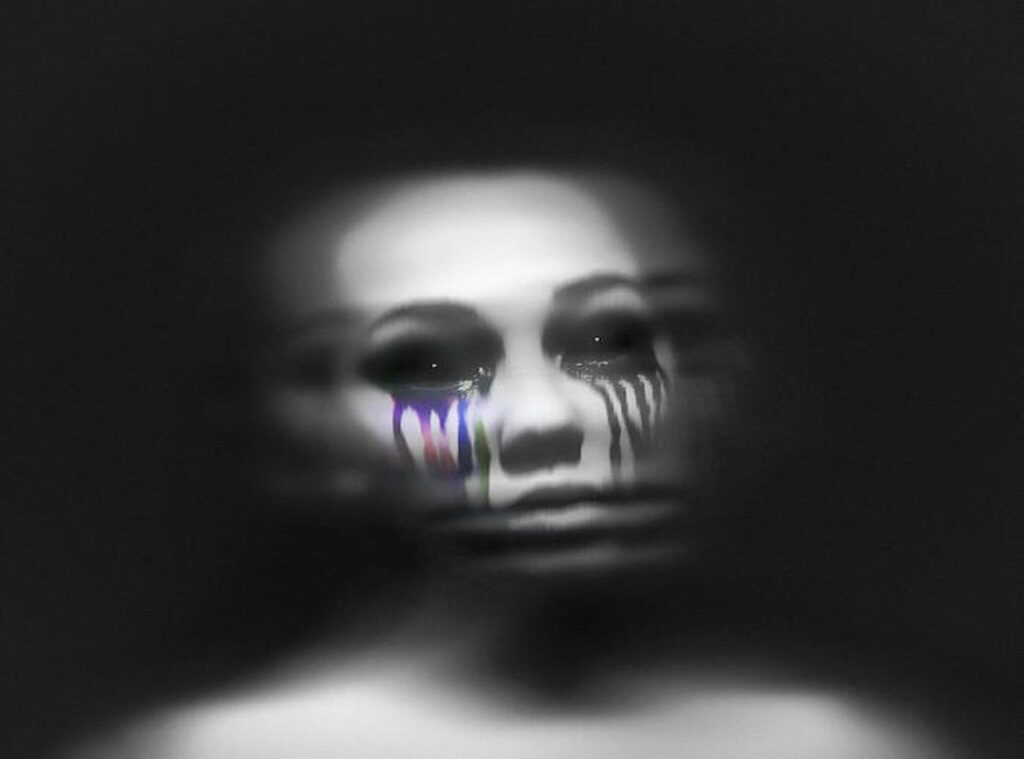
Depressed sad meme face
In the end, it’s all about the little details. They add up to create a powerful, believable expression of sadness.
Case Studies in Sorrow: How Iconic Characters Convey Sadness
Eeyore from Winnie the Pooh is a classic example. His perpetually droopy eyelids and low-set eyebrows make him look like he’s always on the verge of tears.
His entire posture reinforces his facial expression. He often drags his feet and looks down, making his sadness even more palpable.
Sadness from Inside Out is another great example. Her large, downturned eyes and the shape of her mouth are key.
But it’s her muted blue color palette that really enhances the emotional tone. It makes her stand out and feel distinct from the other, more vibrant emotions.
BoJack Horseman shows a more adult form of existential sadness. His default expression carries a weight of melancholy through tired eyes and a tense mouth.
This reflects the deeper, more complex issues he faces, making his sadness relatable to an older audience.
Charlie Brown is an example of minimalist melancholy. Simple lines for the eyes and mouth, combined with a slumped posture, effectively communicate his classic “good grief” feeling.
It’s amazing how a few simple strokes can convey so much emotion.
Why these choices work? They tap into universal expressions of sadness. Droopy eyelids, downturned mouths, and slumped postures are all non-verbal cues we recognize as signs of sorrow.
The depressed sad meme face (T_T) is a perfect example of this. It uses minimal elements to express a deep, relatable sadness.
When creating or analyzing characters, focus on these elements. Use subtle but powerful visual cues to connect with your audience.
Remember, less is often more. A well-placed line or a slight change in color can make a huge difference.
A Practical Guide: How to Draw a Melancholy Expression Step-by-Step
Drawing a melancholy expression can be a powerful way to convey deep emotions. Let’s break it down step by step.
Step 1: Start with the Eyebrows.
Draw the eyebrows angled upwards towards the center of the face. This creates that signature look of worry and grief.
Step 2: Shape the Eyes.
Next, focus on the eyes. Draw the upper eyelids as heavy arcs that slightly cover the top of the iris or pupil.
This gives the character a tired, heavy-hearted appearance.
Step 3: Define the Mouth.
For the mouth, draw a gentle, shallow downturned curve or a nearly flat line with just the corners pulled down. Avoid a deep, cartoonish frown.
This subtle approach is key.
Step 4: Add Subtle Details.
Add small touches like faint creases under the eyes and a slight shadow on the face. A single, well-placed tear can also amplify the emotion.
The overall head posture is important. Suggest a slight downward tilt of the head to reinforce the feeling of dejection.
Remember to use softer, less confident lines. This helps convey the vulnerability of the character.
(And if you’re looking for more creative ways to express emotions, check out creative ways use mirrors modern home designs for some inspiration.)
Drawing a melancholy expression takes practice. But with these steps, you’ll be able to capture that sad, depressed meme face in no time.
The Psychology of a Sad Cartoon: Why We Empathize With a Drawing
Ever wonder why a simple drawing can make you feel so much? It’s all about empathy. Our brains are wired to recognize and mirror emotions, even in cartoons.
Take a depressed sad meme face, for instance. When we see those droopy eyes and frowning mouth, our mirror neurons kick in. We start to feel the character’s sadness as if it were our own.
But it’s not just about simple sadness. A melancholy expression can convey a wide spectrum of emotions. Loneliness, regret, disappointment, or deep contemplation.
It’s like a window into the character’s soul.
Now, here’s a storytelling trick: place that sad expression on a typically cheerful character. The contrast makes the moment incredibly impactful and memorable. Think of a usually happy-go-lucky character suddenly looking dejected.
It hits hard.
Supporting elements in a scene play a big role too. A muted color palette—cool blues, grays—combined with soft, low-key lighting, sets a somber mood. These elements work together to enhance the emotional impact.
This expression makes a character more relatable and three-dimensional. It shows vulnerability and depth. Audiences connect with that on a personal level.
So, next time you’re creating or watching a cartoon, pay attention to these details. They can turn a simple drawing into a powerful, emotional experience.
Capturing Authentic Emotion in Every Line
True melancholy in art comes from the subtle interplay of the eyes, eyebrows, and posture, not just an obvious frown. Mastering this expression allows an artist to tell deeper, more emotionally resonant stories and create characters that truly connect with an audience.
The solution lies in observing these details in real life and in the work of master animators, then applying them with intention. depressed sad meme face can be a starting point, but it’s the nuanced expressions that bring depth.
Use the step-by-step guide to practice drawing the expression. Actively look for these techniques the next time you watch an animated film. A single, well-drawn expression can convey more emotion than a page of dialogue.
 Norvain Zyphoris has opinions about home design inspirations. Informed ones, backed by real experience — but opinions nonetheless, and they doesn't try to disguise them as neutral observation. They thinks a lot of what gets written about Home Design Inspirations, DIY Home Projects, Gardening and Landscaping Ideas is either too cautious to be useful or too confident to be credible, and they's work tends to sit deliberately in the space between those two failure modes.
Reading Norvain's pieces, you get the sense of someone who has thought about this stuff seriously and arrived at actual conclusions — not just collected a range of perspectives and declined to pick one. That can be uncomfortable when they lands on something you disagree with. It's also why the writing is worth engaging with. Norvain isn't interested in telling people what they want to hear. They is interested in telling them what they actually thinks, with enough reasoning behind it that you can push back if you want to. That kind of intellectual honesty is rarer than it should be.
What Norvain is best at is the moment when a familiar topic reveals something unexpected — when the conventional wisdom turns out to be slightly off, or when a small shift in framing changes everything. They finds those moments consistently, which is why they's work tends to generate real discussion rather than just passive agreement.
Norvain Zyphoris has opinions about home design inspirations. Informed ones, backed by real experience — but opinions nonetheless, and they doesn't try to disguise them as neutral observation. They thinks a lot of what gets written about Home Design Inspirations, DIY Home Projects, Gardening and Landscaping Ideas is either too cautious to be useful or too confident to be credible, and they's work tends to sit deliberately in the space between those two failure modes.
Reading Norvain's pieces, you get the sense of someone who has thought about this stuff seriously and arrived at actual conclusions — not just collected a range of perspectives and declined to pick one. That can be uncomfortable when they lands on something you disagree with. It's also why the writing is worth engaging with. Norvain isn't interested in telling people what they want to hear. They is interested in telling them what they actually thinks, with enough reasoning behind it that you can push back if you want to. That kind of intellectual honesty is rarer than it should be.
What Norvain is best at is the moment when a familiar topic reveals something unexpected — when the conventional wisdom turns out to be slightly off, or when a small shift in framing changes everything. They finds those moments consistently, which is why they's work tends to generate real discussion rather than just passive agreement.